
On the damp nobody sees, the long road back from the underworld, and the inch of curtain that lets the light in.
“He who has a why to live for can bear almost any how.” — Friedrich Nietzsche
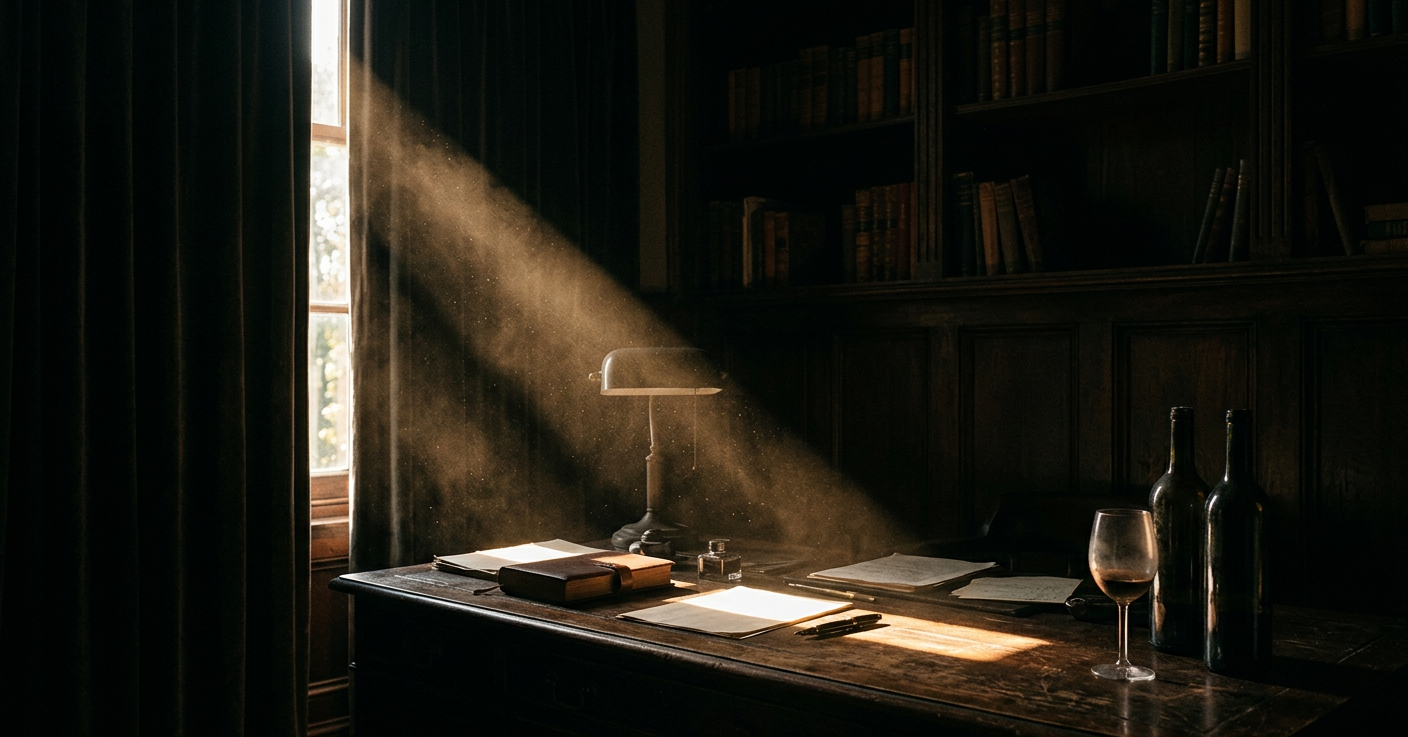
You know the house. Every street has one. Lights warm in the windows, everything in its place, the kind of home you slow down to admire on the way past. Now walk inside, down the hall, to the room at the back with the door pulled shut. There is a man at a desk in the dark. The bottles in front of him are open, more than one, and not one of them has done what he asked of it. On the other side of that door are people who love him. Behind him is a career of service. Ahead of him, by any measure the street would use, is a bright future. He has never been lonelier in his life.
I know that room, because I was the man at the desk.
I am not telling you this for sympathy, and I am not telling you because it is comfortable. I am telling you because this Saturday I will train in a gym beside one of the greatest footballers this country has produced, a man who has walked the same dark country I have and is still climbing out of it. And because somewhere tonight, someone reading this is sitting in that room with the door shut. The Romans had a line for that hour. Seneca, ill and worn thin, wrote to a friend that sometimes even to live is an act of courage. He was right. But courage is not where this story begins. It begins with the damp.
The Damp Nobody Sees
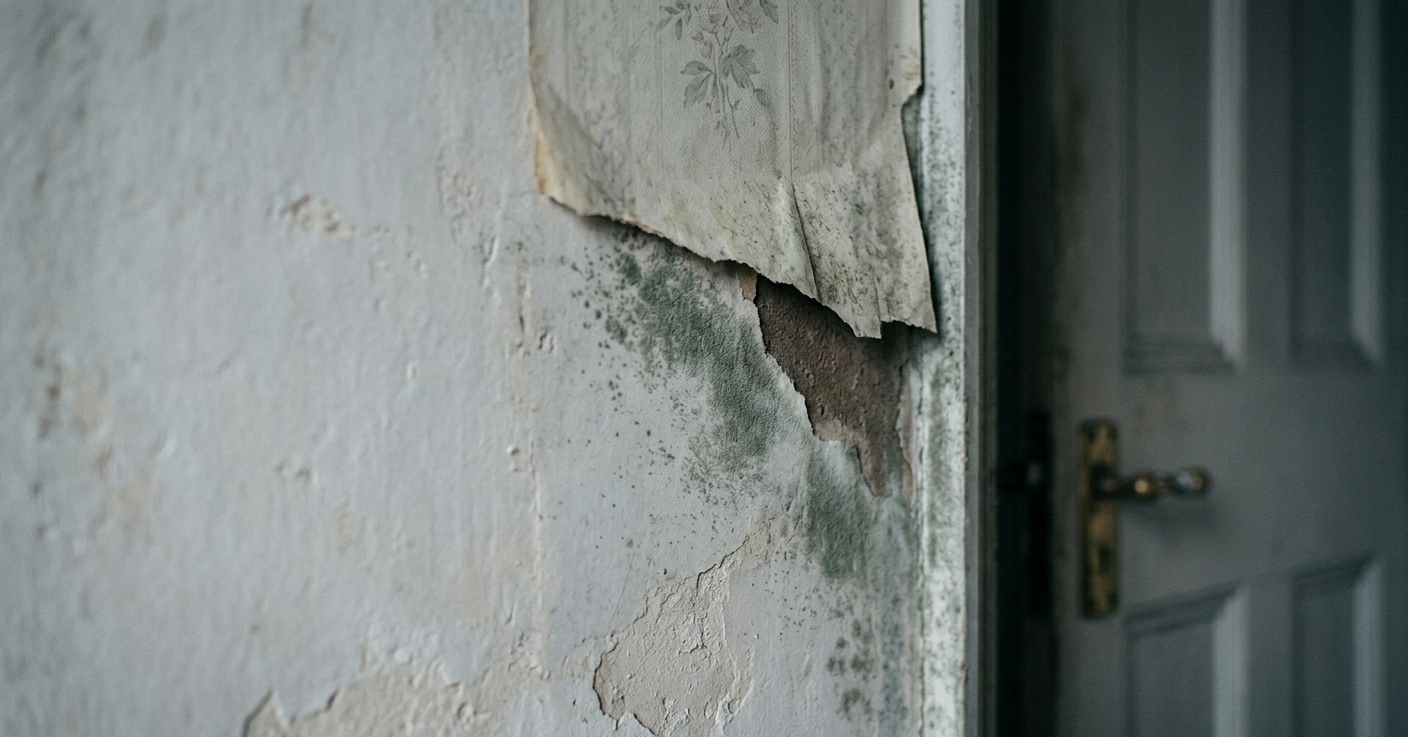
Shame, depression and addiction do not arrive like a storm. A storm you can point at. A storm brings the neighbours over with casseroles. These things arrive like damp in a house. Nobody notices the first drip. It comes quietly, behind the plaster, in the corner no visitor ever sees. And because we are embarrassed by it, we do the worst thing possible. We close the door on that room. We draw the curtains. We meet people at the front step and tell them everything is fine.
Mould loves that. It asks for only two things, darkness and silence, and we hand it both.
The people around us help it along without meaning to. We applaud the man who survives a flood, an illness, a loss. But speak about the bottle, or the black weeks, or the thing you cannot stop doing, and watch the room. Eyes drop. Someone changes the subject. Someone checks the time. So we learn to stop speaking, and the damp spreads, and one day it is no longer something in the house. It is the house. It is what you are. Brené Brown has spent a career studying this, and she put it in seven words: “Shame derives its power from being unspeakable.”
It does not have to be this way. More than a century ago an American judge named Louis Brandeis wrote that sunlight is said to be the best of disinfectants. He was writing about corruption, but any builder will tell you the same about mould. It cannot live in the light. All it takes is one person willing to open the curtains.
Nobody is ashamed of a storm. Everybody hides the damp.
Ask yourself — which room of your house have you closed the door on, and who has never been allowed to see inside it?
The Brightest Future in the Game
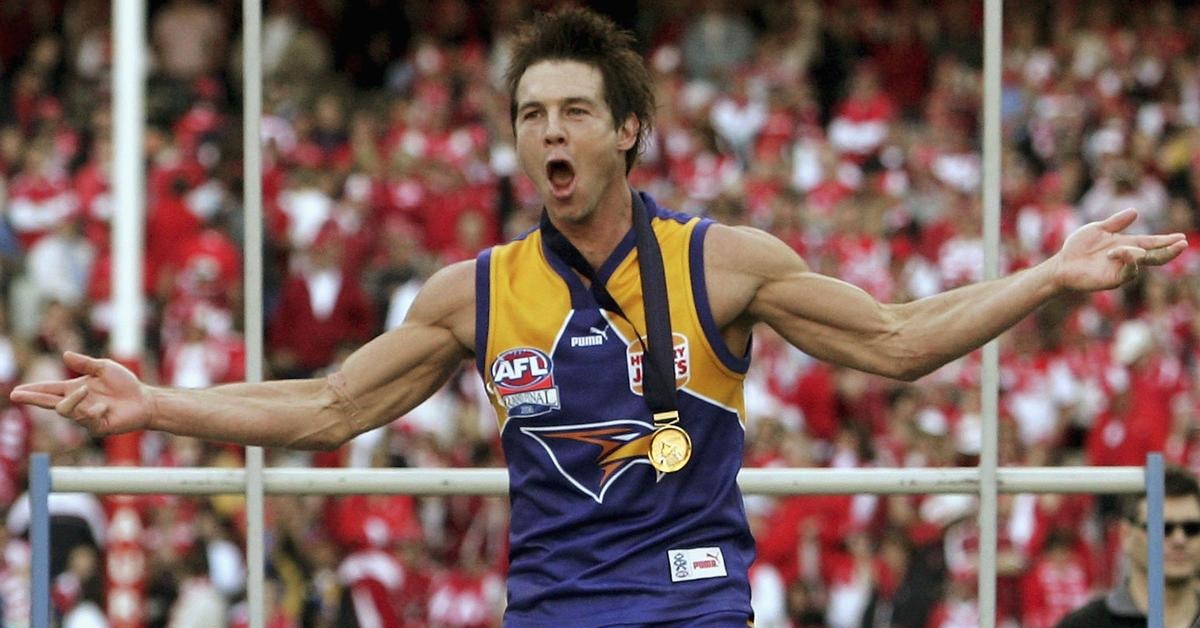
Ben Cousins is one of my favourite footballers of all time. If you never saw him play, picture a man who ran as though the game had been built around him and nobody had told the other thirty-five players. A Brownlow Medal in 2005. A premiership with West Coast in 2006. Two hundred and thirty-eight games for the Eagles, most of them at a pace that made hard men look slow. I watched him the way you watch anyone doing the thing they were born to do, with a kind of gratitude.
That was the house from the street. Then the whole country watched the walls come through. The addiction. The sacking. The arrests. The prison cell where he watched his old club win a flag without him. A man with everything, coming apart on the evening news, while the damp he had lived with for years finally showed on the outside. We watched it the way we always do. Some with pity. Plenty with judgement. Very few with any idea how close their own back room was to his.
One thing has to be said plainly. Mould does not only damage the person it grows in. It damages everyone in the house. Ben hurt people who loved him, and he has said he is sorry for it. I hurt people too, in my own dark, and the person I hurt most was myself. The road out does not go around that. It goes straight through it.
But there is a road out, and he is on it. Today Ben is back at work, back in a routine, back among people. A few years ago he told a radio audience that the public had been “very good to me, probably better than I probably thought I deserved at times.” Listen to that sentence. There is no victory lap in it. It is the voice of a man who knows exactly what he owes and gets up anyway. Not finished. Nobody is finished. Just doing the work, one day at a time, in daylight.
The road out does not go around the harm. It goes straight through it.
The Hardest Labour
The Greeks told this story long before we had words like addiction and relapse. Heracles, the strongest man alive, destroyed his own family in a madness he could not undo. When he came back to himself and saw what he had done, he wanted to die. The twelve labours were never adventures. They were how a broken man worked his way back to being able to look at his own hands.
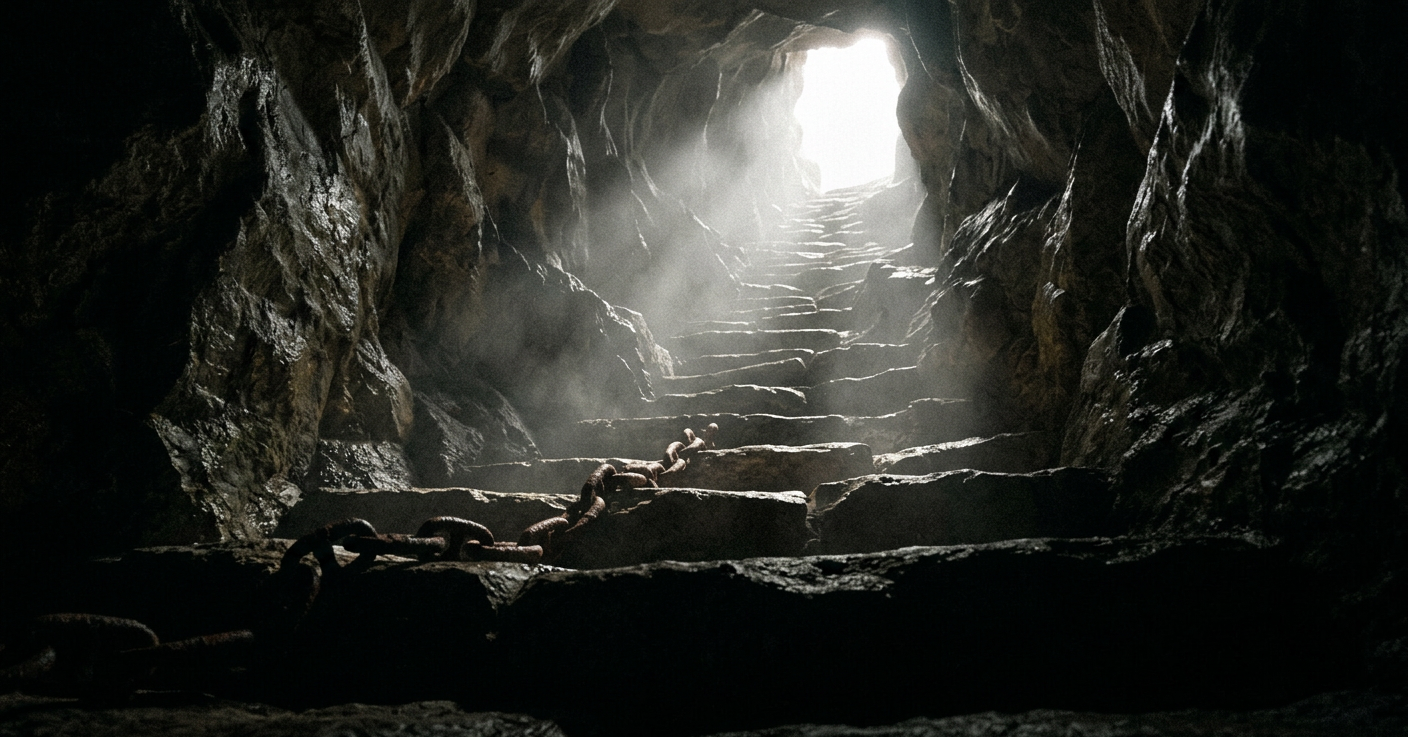
The last was the hardest. Go down into the underworld and bring up Cerberus, the three-headed hound that guards the dead. Hades set one condition: no weapons. No club, no bow. Bare hands only.
The poet Virgil understood what that journey costs. The way down to the underworld is easy, he wrote. The door stands open night and day. “But to retrace your steps and come out to the upper air, that is the task, that is the labour.” Anyone who has been down there knows he was not writing about mythology.
Three things in the old story have stayed with me.
He did not go down alone. He was prepared for the descent, and he was guided through it. The strongest man in the world needed a hand on his shoulder in the dark.
He did not kill the beast. He wrapped his arms around it and held on while it tore at him, and he hauled it up into the daylight, and afterwards it went back below. This is the part the victory stories leave out. The demon is never slain. It is mastered, and it must be mastered again tomorrow.
And he did not come back alone. On the way up he found Theseus trapped in the dark, fixed to a stone seat, and he pulled him free. The climb was not complete until someone else was climbing with him.
I think of Ben when I read that story now. The descent the whole country watched. The beast he could not put down for years. And then the part that made no headlines at all, because it happened slowly and out of sight: the long haul back up toward the daylight. In the years since, he has read the sport on the news in Perth, sat behind a breakfast radio microphone, and got involved in community football for his own children. None of that is glamorous. All of it is the labour. A man does not get there by accident. He gets there by choosing it, on thousands of ordinary mornings when nobody was filming.
The beast is never slain. It is held, and held again tomorrow.
Ask yourself — what have you been trying to kill, when the real work is to hold it in the light?
The First Page
My own way up did not begin with a rescue. Nobody kicked the door in. It began with a page.
The first thing I ever wrote was the opening of Shiraz and Shame. The same wine that had been drowning me became, for the first time, something I could put into words instead of into a glass. Same room. Same man. But the curtain moved an inch, and a little light came in, and I remember being surprised that it did not hurt.
That page grew into a novel, and the novel into the work I do now. People call that finding your why. For me it was simpler than that. I found a use for the darkness. I spent seventeen years among people trained to do harm in order to protect, and I saw what that costs them. My training was to heal. All those years beside other people’s grief and trauma, and then my own, finally added up to something I could hand to the next person still sitting where I sat. That is where Arete Estate lives now.
Viktor Frankl, the psychiatrist who survived the camps, built his life’s work on the line at the top of this letter. The people who endured, he found, were the ones who still had something waiting to be done by them and nobody else. A why. Mine did not cure me. I want to be honest about that. It gave me something worth more than the bottle to say yes to each morning, and that is the whole difference.
I do not know Ben’s why, and it is his to tell. But I know what it looks like from the outside when a man has found one. He keeps turning up. He has described himself as “back working and in a good routine, a happy place.” Work. Routine. People. That is what a why looks like on an ordinary Tuesday, and it is worth more than any medal he ever won.
I did not find a cure. I found something worth more than the bottle.
Ask yourself — what is waiting to be done by you, and nobody else?

Six Choices on the Road Out
Nobody climbs out in one heroic night. You climb out in inches, through small choices made daily and mostly unseen. Aristotle taught that we become brave by doing brave acts, not by waiting to feel brave, and the road out works the same way. These are the six choices I know. They are the six virtues we teach, and I learnt every one of them the hard way round.
Fortitude: stop running. The storm is inside you, and the first act is to stand still in it and call it by its name. Not “a rough patch”. Not “a few too many”. The true name. Today: say the true sentence out loud to one person.
Wisdom: tell the truth about the mud. Take an honest inventory, including the harm you did. Not to punish yourself, but because you cannot clean a room you refuse to look at. Acknowledge the mud. Record the gold. Choose what you carry forward. When Ben was asked on national television about the damage he left behind at his old club, he did not dress it up: “I am sorry, I am remorseful.” Today: write down one thing you will leave behind and one thing you will keep.
Love: let someone walk beside you. Heracles had guides. Asking for help is not the weak move. It is the strongest one available to you, and you will have to choose it again tomorrow. Today: make the call you have been avoiding.
Courage: begin anyway. Fear tells you the stakes. Courage says “noted”, and begins. Bare hands, no shortcuts. Ben began again in the most public way there is, in front of the same cameras that had filmed his fall. Today: show up. The gym door, the meeting, the appointment. Arriving is the win.
Temperance: hold the beast, daily. It is not killed, only held. When the mind is too loud to reason with, start with the body. Movement is the first discipline, and the dullest repetitions do the deepest work. Today: one walk, one session, one “no”.
Gratitude: bring someone back up. The climb is not complete until you reach behind you. Somebody is fixed to a stone seat in the dark, waiting for a hand. Every time Ben walks into a room like the one he will walk into on Saturday, he is that hand for somebody. Today: check on the person who has gone quiet.
You do not climb out in one heroic night. You climb out in inches.
Saturday Morning
On Saturday 10 October, Derrimut Elizabeth (SA) is holding its open day. A brand that has known its own hard seasons, now building communities on a sound body and a sound mind. Ben Cousins will be there. Not on a stage above the room, but training in it, alongside everyone else.
Think about what that takes. A man whose worst years were broadcast to the nation could have chosen to live quietly and be left alone. Nobody would have blamed him. Instead he keeps walking into rooms full of strangers and letting them see him, the whole of him, the champion and the fall and the man he is working to be now. That is the lighthouse. It does not chase anyone. It stands where it can be seen, and it shines, and somewhere out in the dark a person who thought they were finished looks up and thinks: if he came back from that, perhaps I can come back from this.
A man who has been in the dark and chooses to stand in the light gives everyone else permission to try.
I will be there too. Two men in a room full of strangers and barbells, and I suspect we will not be the only two on that floor who know what the room at the back of the house looks like. Look around any gym at six in the morning. Half the people in it are holding a beast. That is what the weight is for.
That is why it matters. A gym at its best is a house with the curtains open. People doing hard, ordinary, repeated work, in the light, next to each other. Nothing grows behind the walls of a place like that.
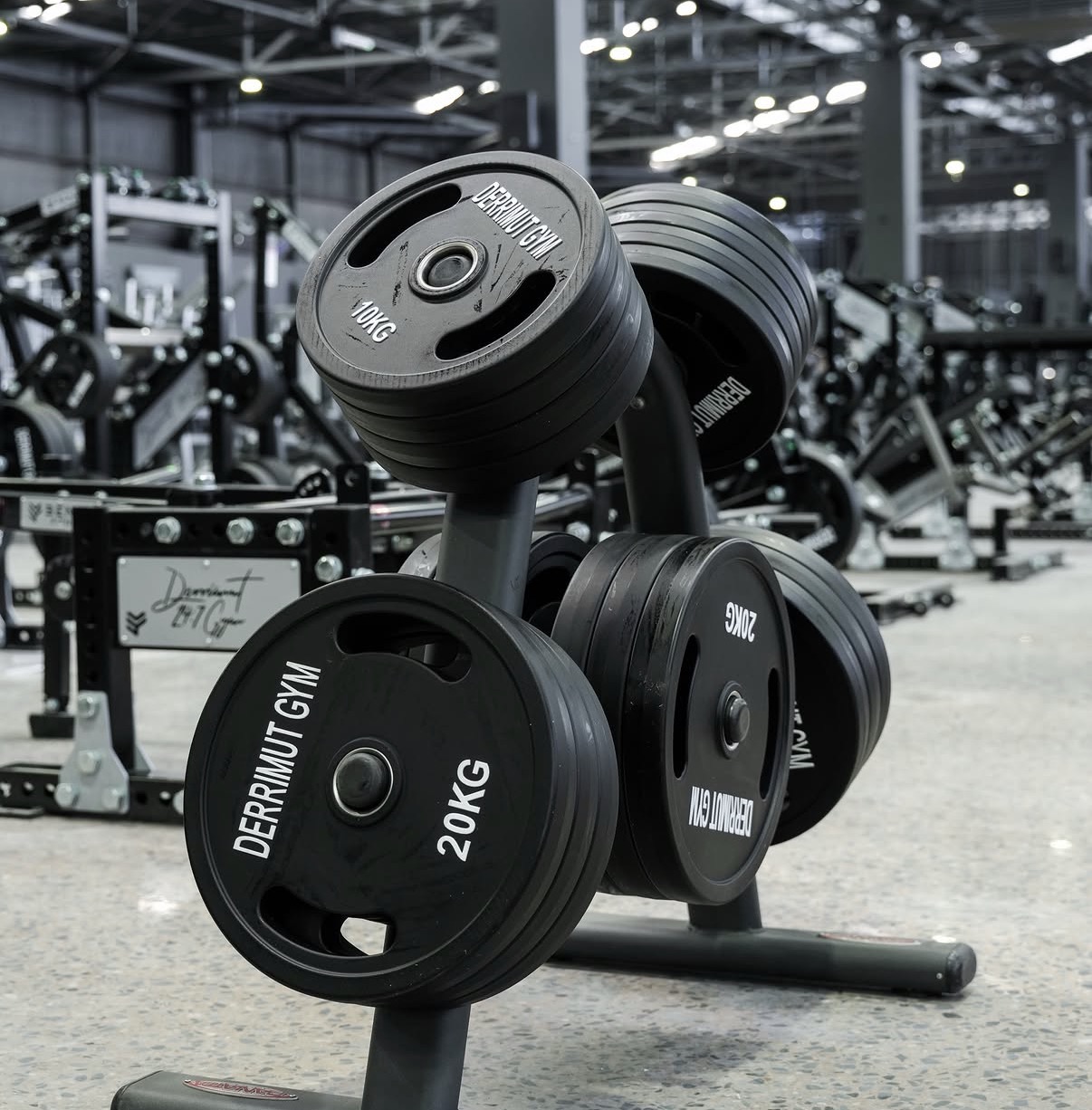
And if you are reading this from your own dark room tonight, hear me. You do not have to throw the curtains wide. You do not have to be Heracles. Move them an inch. Tell one person. Write one page. Walk through one door. Reach out to me. Come to a space like Derrimut. The light does the rest. It always has.
Stand firm and shine, even when the storm is inside you.
If tonight is a hard one, Lifeline is there on 13 11 14, any hour.

Written by Marcus J Emsley, The Guide, at Arete Estate in the Barossa Valley. First published 4 October 2026.
Excellence revealed by storms.

Responses