
Wisdom · The rooms you built are not the problem. The lights you left on are.
It was two in the morning. I was lying in bed, eyes open, replaying a conversation that happened four years ago.
Not a catastrophic conversation. Not a betrayal or a crisis. Just a moment where I said the wrong thing to someone I cared about. A moment that was long over. A moment they had almost certainly forgotten.
But the light was still on.
I could feel it, the energy being drawn from me, silently, like a lamp left burning in a room I’d walked out of years ago. The room was empty. The work was done. But I hadn’t reached for the switch.
And in that stillness, at two in the morning, I realised something that changed the way I think about the human mind entirely.
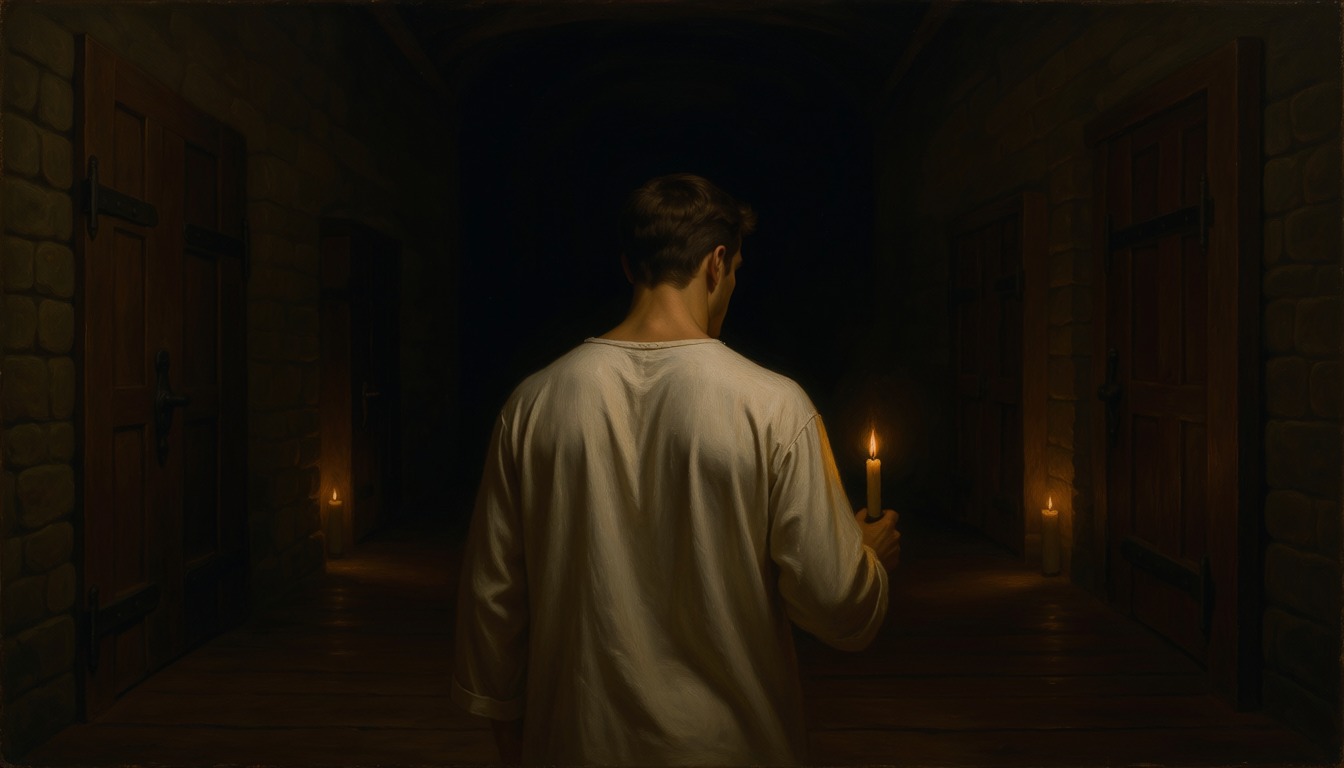
I realised I was not lying in bed. I was standing in a corridor. And every door I’d ever walked through, every hard conversation, every loss, every season of struggle, had built a room. And too many of those rooms still had the light on.
The Stoics understood this. Two thousand years ago, they had language for what I was feeling. They knew that the quality of your life is determined not by your circumstances, but by the quality of your thoughts. They knew that we haunt ourselves, not with ghosts, but with rooms we refuse to leave.
The Buddhists understood it too. They called it attachment. The refusal to release what no longer serves. The habit of sitting in rooms where the work is finished, simply because we forgot we had permission to stand up and walk out.
This essay is about that mansion. The one you’re building right now. The one you’ve been building your entire life.
And the lights you might be ready to turn off.
The Mansion
Here is the image. Hold it gently, because it belongs to you.
You are building a mansion your entire life. Every significant experience, every confrontation, every heartbreak, every moment of standing in a place you didn’t choose and finding out what you were made of, constructs a room. These rooms are not accidents. They are not damage. They are architecture.
Some rooms were built in grief. Some in joy. Some in the quiet, unglamorous hours of just showing up when everything in you wanted to quit. Each one is real. Each one cost you something. And each one, when the work inside it was finished, gave you something back, a piece of wisdom, a scar that taught you where not to step, a tenderness you didn’t have before.
A mansion without rooms is just a façade. A beautiful front wall with nothing behind it. And a person who has avoided every difficult moment, who has turned away from every storm, has built exactly that, an impressive exterior with no interior life.
The rooms are not the problem.
The lights are the problem.
What the Stoics Knew
Marcus Aurelius, Roman Emperor, philosopher, and a man who spent his life surrounded by more noise than most of us will ever know, wrote something in his private journal that still lands like a quiet thunderclap:
“The happiness of your life depends upon the quality of your thoughts.” Marcus Aurelius, Meditations
Read that again. Not the quality of your circumstances. Not the quality of your career, your bank account, your postcode, your body, or your reputation. Your thoughts. The rooms you walk through. The ones you choose to sit in. The ones you choose to leave.
Aurelius wasn’t writing self-help. He was writing survival notes. Reminders to himself, in the middle of wars and plagues and political betrayal, that the battlefield inside his skull was the only one that ultimately mattered.
He was, without knowing it, describing a mansion.
Epictetus, the former slave who became one of the most influential Stoic teachers in history, put it even more directly:
“It is not things that disturb us, but our judgements about things.” Epictetus, Enchiridion
The room you built during that argument with your father? The room is not the problem. The argument may have been necessary. The pain may have been real. But if you’re still sitting in that room ten years later, replaying it, rehearsing what you should have said, re-lighting the lamp every time a similar feeling surfaces, then it is not the room that’s draining you.
It’s the light you left on.
Epictetus understood that our suffering comes not from the event, but from our refusal to process it and move forward. The room was built. The work was done. But we keep the light burning as though something in there still needs us. And slowly, silently, it draws power from the person we are trying to become today.
And then there is Seneca, who may have understood the cost of these illuminated rooms better than anyone:
“We suffer more often in imagination than in reality.” Seneca, Letters to Lucilius
This is the one that should stop you cold. Because Seneca is not saying the original experience wasn’t real. He’s saying the ongoing suffering is manufactured. It is imagined. It is a story you are telling yourself in a room you have already left, but you keep walking back to, opening the door, switching the light on, and sitting down as though the conversation is still happening.
It’s not. The room is empty. The other person left years ago.
You’re the only one still in there.
The Art of Sitting Still
The Stoics gave us the diagnosis. They told us where to look. They pointed at the mansion and said: the problem is in there.
The Buddhists gave us something equally essential. They taught us how to be still once we’ve found the room.
In Buddhist philosophy, suffering arises from attachment: the clinging to what was, the grasping for what might be, the refusal to sit with what is. The Buddha’s teaching on impermanence is not a cold doctrine. It is a gentle hand on your shoulder, saying: this room was real. What happened in it was real. But it is not happening now. And your insistence on keeping it alive is the source of your pain, not the memory itself.
Letting go. Two of the most difficult words in any language. Not because the concept is complex, but because every part of us resists it. We mistake letting go for forgetting. We think that if we turn off the light in a room, we are erasing what happened there. We think we are betraying someone: ourselves, the person who hurt us, the version of us who sat in that room for so long.
But here is the truth the Buddhists understood:
The room stays. The wisdom stays. The light goes off.
You are not forgetting. You are not erasing. You are choosing, with full awareness, full dignity, and full gratitude for what the room gave you, to stop powering it.
Thich Nhat Hanh, the Vietnamese Zen master who spent his life teaching mindfulness in the aftermath of unimaginable suffering, offered a practice that fits this mansion perfectly:
“Feelings come and go like clouds in a windy sky. Conscious breathing is my anchor.” Thich Nhat Hanh
Conscious breathing. Stillness. The discipline of not running down every corridor chasing every lit doorway. The practice of standing in the hallway, noticing which rooms are drawing power, and choosing, with compassion, not force, which switches to reach for.
The Stoics told you to examine your thoughts. The Buddhists taught you how to sit with them without being consumed.
Your Mansion of the Mind is where both traditions meet.
The Three Rooms
Inside every experience you’ve ever had, there are three rooms. Most people only know they’re in one of them. Understanding all three changes everything.
The Thought Room
This is where it begins. Always. A thought enters, sometimes invited, sometimes not. A memory. A judgement. A story you’ve been telling yourself so long it feels like fact. This room is the architect of the other two, though it rarely announces itself that way.
The thought doesn’t knock. It just appears. And if you’re not paying attention, if you haven’t learned to notice which room you’re in, it furnishes the next two rooms before you even realise you’ve left the hallway.
Ask yourself: What thought, belief, or story is currently running in the background of your life?
The Feeling Room
This room was built by the Thought Room, though it rarely feels that way. Feelings seem like facts. They land in the body before the mind catches up: the tightness in the chest, the heat in the face, the weight that settles behind the eyes. Most people live here. They manage what they feel, or suppress what they feel, without ever examining where it came from.
But a feeling without an examined thought is a fire without a known source. You can pour water on it forever. It keeps re-igniting, because the spark is in the room next door.
Ask yourself: What are you feeling most persistently right now, and where do you feel it in your body?
The Behaviour Room
This is where most people try to make changes. Stop this habit. Start that one. Wake up earlier. Drink less. Exercise more. But behaviour driven by unexamined feeling, fuelled by unquestioned thought, rarely changes for long. This room is the last to shift and the first to reveal everything.
If you want to understand what someone really thinks, don’t listen to what they say. Watch what they do. The Behaviour Room never lies. It is the visible expression of invisible architecture.
Ask yourself: What behaviour in your life right now is trying to tell you something about the rooms behind it?
The Physics of the Drain
Here is the part most people have never been told.
You are a finite power source.
Every room you have ever built that still has the light on is drawing from the same supply: the energy, attention, and emotional bandwidth you need to live your life today. To love the people in front of you. To do your work. To be present. To build new rooms that matter.
And most people have no idea how many lights they’ve left on.
That argument from university? Light on. The friendship that ended without explanation? Light on. The thing your mother said when you were fourteen that you’ve never spoken about? Light on. The job you lost. The relationship you stayed in too long. The moment you failed publicly and never fully processed the shame.
Light on. Light on. Light on.
And you wonder why you’re exhausted.
You wonder why you can’t focus. Why your patience is thin. Why you snap at the people you love most. Why you lie awake at two in the morning replaying a conversation that everyone else forgot.
You’re not broken. You’re not weak. You’re not failing.
You’re running a mansion with every light blazing, and you’ve forgotten you have access to the switches.
The Three Corridors
If you’re willing, I want to invite you to do something right now. Not later. Not tomorrow. Now.
Close your eyes for a moment. Stand in the hallway of your mansion. Feel the hum of the electricity running through the walls, all those rooms, all those lights. Now begin to walk.
The Recent Corridor
These are the rooms you’ve built in the last few months. The conversation from last week that’s still circling. The decision you made that you’re second-guessing. The person who let you down, or the person you let down. These rooms are fresh. The paint is still wet. Some of them need the light on; the work isn’t done. But some of them? You walked out and forgot the switch.
Which recent room has a light on that no longer needs to be?
The Middle Corridor
These are the rooms from years ago. The career that didn’t work out. The friendship that faded. The version of yourself you thought you’d be by now. These rooms are more dangerous, because they’ve been drawing power for so long that the drain feels normal. You’ve adjusted to the dimness everywhere else. You’ve forgotten that the reason you have less energy for today is because yesterday is still fully illuminated.
Which room from your middle years is still burning, not because the work is unfinished, but because you’ve been haunting it out of habit?
The Deep Corridor
These rooms were built in childhood. In adolescence. In the earliest seasons of your life when you didn’t have the language or the power to process what was happening. These are the rooms where the lights have been on the longest. Some of them, you cannot turn off alone. Some of them need a counsellor, a therapist, a trusted friend who will walk the corridor with you and stand beside you while you reach for a switch that feels impossibly heavy.
That’s not weakness. That’s wisdom.
What room from your earliest life is still drawing power? And is this work you can do alone?
Suppression Is Not the Switch
I need to say this clearly, because it matters.
Turning off the light is not suppression. It is not avoidance. It is not pretending the room doesn’t exist.
Suppression is bricking up the door and pretending you never built the room at all. It is denial wearing the costume of strength. And it doesn’t work, because the light stays on behind the bricks, and the power still drains, and now you can’t even see where it’s going.
The switch is different.
The switch requires you to walk into the room one final time. To stand in it honestly. To look at what happened there, really look at it, and to say: I see you. I honour what this room cost me. I honour what it gave me. The work here is done.
And then you reach for the switch.
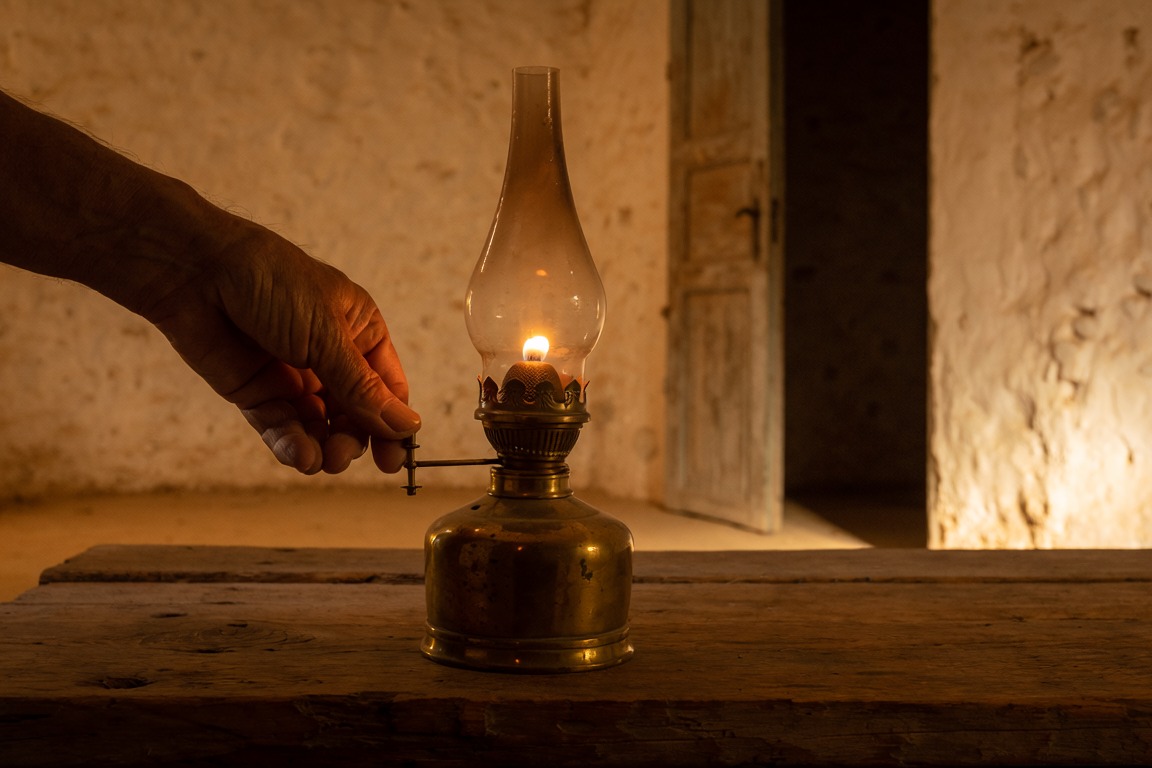
The room stays. The wisdom stays. The light goes off.
And in the quiet that follows, in the gentle dark of a room that no longer needs your energy, you will feel something you may not have felt in a very long time.
Not emptiness. Not forgetting.
Clarity.
The clarity of a person who knows where their energy is going. Who has chosen, deliberately, courageously, with love, to spend it on the rooms they are building now.
Walking the Mansion with Virtue
If you walk your mansion tonight, and I hope you will, you might find it helps to carry something with you.
Fortitude. You built these rooms by standing firm through storms. The mansion itself is proof of your endurance. Stand firm and shine, even now.
Wisdom. The discernment to know the difference between a room that still needs your presence and a room you are haunting out of habit. Acknowledge the mud. Record the gold.
Love. Choosing compassion toward yourself when you find a dozen lights still on. Not berating yourself for the drain. Gently, firmly, choosing to begin.
Courage. Walking back down the corridor to check which lights are still burning. That is not comfortable work. It takes a brave soul to face their own architecture honestly.
Temperance. Understanding that you are a finite source. Conducting your energy deliberately. Not everything can stay illuminated. Balance demands choices.
Gratitude. Honouring what each room gave you. Even the rooms that nearly broke you. Especially those. Before you turn out the light, thank the room for what it taught you.
Tonight
You will go to bed tonight. And at some point, maybe at midnight, maybe at 2am, maybe in the thin hours before dawn, a thought will arrive. A memory. A replay. A room you haven’t visited in a while, suddenly illuminated.
And now you have language for it.
Now you can stand in the corridor and see it for what it is. A room. A light. A switch.
You can ask the three questions:
Is the work in this room finished?
Is this light on because I need it, or because I forgot I could turn it off?
What would I have energy for tomorrow if I reached for the switch tonight?
Walk your mansion. Move slowly. Be honest about what you find. Notice which corridors you’ve been avoiding. Notice which rooms you’ve been powering for years without ever questioning whether they still need you.
And when you find the one, the room where the work is done, where the light has been burning out of habit, not necessity, stand at the door. Honour what it cost you. Honour what it gave you.
Then reach for the switch.
Turn off the light. You have earned the dark.
And in the morning, feel the energy you have reclaimed. Notice what you can see more clearly with less light bleeding from behind old doors. That clarity is not new. It was always yours.
It was just being spent somewhere else.
The Mansion of the Mind is one of three signature practices on The Arete Path. Walk it slowly.
About the author
Marcus J Emsley · The Guide
Marcus spent seventeen years as a welfare officer in the Royal Australian Air Force, at home and on operations overseas, sitting with people in grief, trauma and the mornings they did not want to rise. He is the founder of Arete Estate in the Barossa Valley, South Australia, the creator of The Sculptor's Journey and Wisdom & Wonder, and the author of the debut novel Wisdom & Wine. He is the son of a primary school teacher who coached footy, cricket and life, and a palliative care nurse who showed him what kindness at the hardest door looks like. He has stood in the dark himself, and he writes from the far side of it.
What we are building at Arete Estate
Arete is excellence becoming. It is the highest expression of who you were always meant to be, not the finished version, but the version that keeps reaching. It is not built. It is revealed.
Arete Estate exists to help people reveal, not construct, the highest version of themselves. We do this through six virtues drawn from the world's wisdom traditions, taught through stories, walked through daily practice, and offered to anyone who is ready to begin: the parent raising a child, the leader carrying a team, the soldier returning from service, the school shaping the next generation, the person sitting alone in the early hours of the morning wondering if there is a path through.
Our work is to make that path visible. To stand as a lighthouse for the seekers, the grieving, and the broken. To remind every person we reach that excellence is not built, it is revealed by storms, and that they are not alone in the storm.
We do not chase. We shine. The Sculptor's Journey (The Doorway, The Walked Path, The Guided Path), An Hour with the Guide, Meditate with Arete, Wisdom & Wonder and The Sculptor's Library are the rooms of that house.
Six virtues. One journey. Your highest self.
www.areteestate.com.au · info@areteestate.com.au · Instagram @areteestate
If this essay touched something raw
Some of what is written here is heavy. If it has stirred something you are carrying, please do not carry it alone tonight.
Lifeline 13 11 14 · Open Arms (veterans and families) 1800 011 046 · 1800RESPECT 1800 737 732 · Kids Helpline 1800 55 1800 · In an emergency, call 000.
Reaching out is not weakness. It is all six virtues at once: the Fortitude to stay, the Wisdom to know you need a hand, the Love to let someone in, the Courage to ask, the Temperance to set the weight down, and the Gratitude for the one who answers.

Responses