On Bullying, Character, and the Silence Where Kindness Should Be
For every child who has ever eaten lunch alone.
And for Dolly Everett, who dreamed of a kinder world.
This Friday, May 8, Australia goes blue for Do It For Dolly Day.
This essay is for every day that isn’t May 8.
There is a sound in every school that nobody talks about.
It is not the sound of shouting, or name-calling, or the sharp crack of cruelty that makes a teacher turn their head. Those sounds are loud enough to be noticed. Loud enough, sometimes, to be addressed.
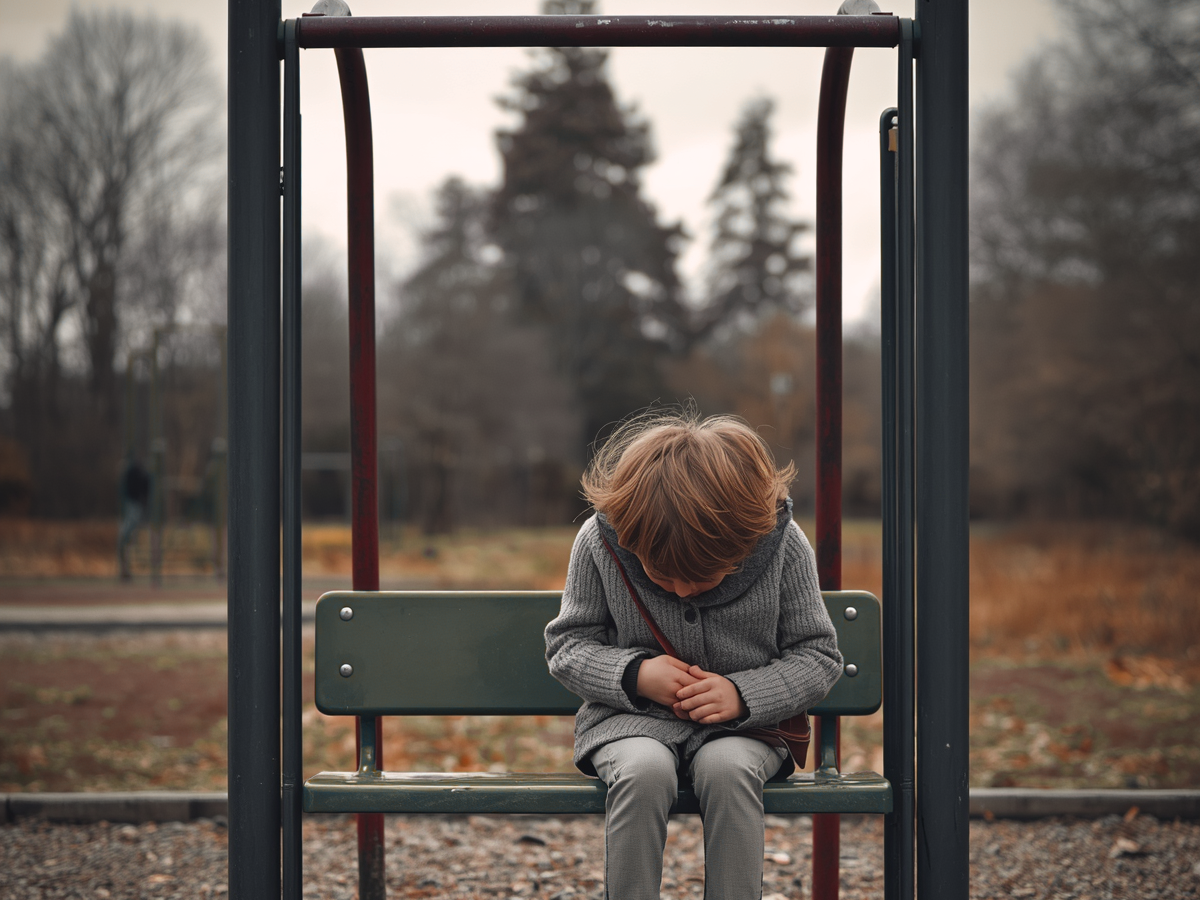
The sound I am talking about is quieter. It is the silence at the edge of the playground where a child sits alone. The gap in the laughter where a name should be but isn’t. The empty seat at the lunch table that everyone walks past and nobody fills.
It is the sound of a child being erased. Not with fists. With absence.
Bullying is not always loud. The cruellest version of it makes no sound at all. It is the turned back. The group chat that excludes. The whisper that stops when someone walks into the room. The slow, methodical removal of a human being from the world of belonging, until they begin to believe that the empty space is where they were always meant to be.
That belief is the wound. Not the name-calling. Not the shove. The belief, planted so carefully and watered so consistently by cruelty, that I do not belong here. I am not worth the seat.
I want to talk about that wound tonight. Not with statistics, though the statistics are devastating. Not with slogans, though the slogans are well-meaning. I want to talk about what is actually missing in the spaces where bullying grows, and what we need to put there instead.
Because what is missing is not kindness. Kindness is a word we put on posters. What is missing is character. And character is not caught. It is taught. It is practised. It is built, one virtue at a time, in the daily, unglamorous work of becoming a whole human being.
What Bullying Actually Does
We talk about bullying as if it is a behaviour. Something a child does. Something that can be stopped with a rule, a consequence, a programme, a poster on the wall that says
Be Kind.
But bullying is not a behaviour. It is an environment. It is the water the fish swim in. It is a culture, built slowly, reinforced daily, sustained by silence, in which certain children learn that they have power over others, and other children learn that they do not.
And what it does to the child who is targeted is not a behaviour problem. It is an architecture problem. Bullying dismantles a child’s inner architecture, their sense of self, their belief in their own worth, their trust that the world has a place for them, brick by brick, day by day, until the building collapses and the child is left standing in the rubble wondering what happened to the person they used to be.
In Australia, one in six students is bullied every single week. Not every year. Every week. And one in seven young people aged ten to fourteen who have been bullied have had thoughts of suicide.
These are not numbers. They are children. In classrooms. In playgrounds. In bedrooms with the door closed, scrolling through messages that are systematically destroying their sense of self.
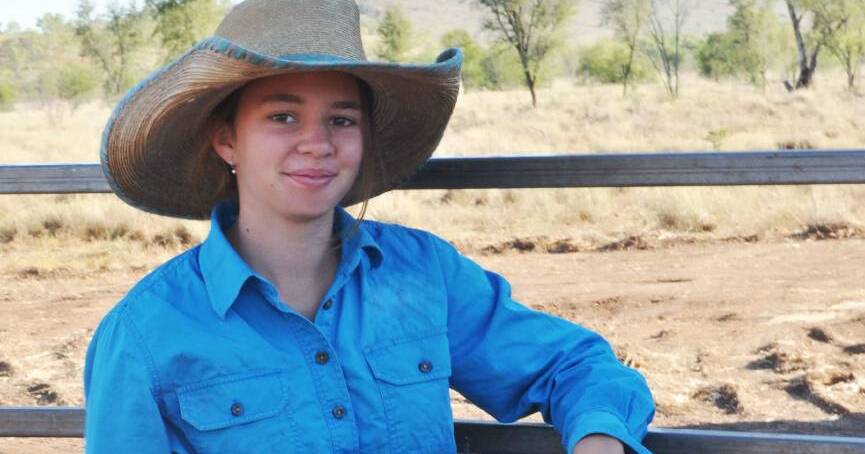
In 2018, a fourteen-year-old girl from the Australian bush, a girl who rode horses and loved her family and had a smile that could light up a stockyard, took her own life after sustained bullying and cyberbullying. Her name was Dolly Everett. And her parents, Kate and Tick, turned their grief into a dream: a kinder, safer world for every Australian child.
This Friday, May 8, Australia goes blue for Do It For Dolly Day. And it should. We should wear the blue. We should have the conversations. We should say Dolly’s name and remember what the silence cost.
But I want to ask a harder question tonight:
What are we doing on the other 364 days?
“Speak, even if your voice shakes.” — The Everett family, Dolly’s Dream
That line is one of the most important sentences in Australian public life. And I want to spend the rest of this essay showing you what it looks like when we build children who are actually capable of living it.
The Character Vacuum
Here is what nobody says about bullying:
The bully is not the only one with a problem. The environment has a problem. The culture has a problem. And the problem is not a lack of rules. It is a lack of character.
The child who bullies has never been shown what real strength looks like. They have learned, from the culture, from the screen, from the playground itself, that power means making someone smaller so you can feel larger. That dominance is the same as leadership. That if you can control the room, you are in charge of it.
That is not strength. That is emptiness wearing a mask. And the cruelty is not confidence. It is the sound of a child who has no idea who they are, trying to define themselves by who they can diminish.
The child who is bullied has never been given the tools to stand in the storm. Not because they are weak, they are often extraordinarily resilient, carrying weights that would break most adults, but because nobody taught them that they have a lighthouse inside them. That they are allowed to stand firm. That the cruelty says everything about the person delivering it and nothing about the person receiving it.
The child who watches, the bystander, the silent majority, the one who sees it happening and says nothing, has never been shown that silence in the presence of cruelty is a choice. And that it is the wrong one. They have never been taught that courage is not the absence of fear. It is the decision to act anyway. To say something. To sit beside the child who sits alone. To fill the empty seat.
And the adults, parents and teachers, are standing at the edges of this, holding rules and consequences and anti-bullying policies, wondering why the posters on the wall aren’t working.
They are not working because “Be Kind” is a destination, not a direction. It tells children where to go without showing them how to get there.
We do not need more posters. We need more practice.
To the Child Who Sits Alone
I want to speak to you first. Because you are the reason this essay exists.
I don’t know your name. I don’t know your school. I don’t know whether the cruelty comes from fists, from words, from a screen, or from the silence of a group that has decided you are not worth including.
But I know what it feels like. Not because I read about it. Because the rooms I sat in for seventeen years were full of people carrying wounds that started in playgrounds just like yours. Adults who could trace the fracture in their self-worth back to a hallway, a lunchroom, a message, a turned back. The wound doesn’t heal just because you grow up. It travels with you. And it whispers the same thing, year after year:
You don’t belong.
You are not enough.
The empty seat is where you were always meant to be.
I need you to hear something tonight, and I need you to believe it even if you cannot feel it yet:
That voice is lying.
You are not what they say you are. You are not the name they called you. You are not the group chat that excluded you. You are not the silence that surrounds you when you walk into the room.
You are a person, whole, real, irreplaceable, who is being tested by a storm you should never have had to face. And the storm says everything about the weather. It says nothing about the lighthouse.
Stand firm and shine, even when the storm is inside you.
That is Fortitude. And it lives inside you right now, even if it doesn’t feel like it. The fact that you got up this morning, walked into that school, sat in that playground, and survived another day of cruelty that would break most adults, that is not weakness. That is the lighthouse doing exactly what it was built to do.
But Fortitude does not mean standing alone. The lighthouse is anchored to rock. And you deserve rock beneath your feet. Tell someone. A parent. A teacher. A friend. A counsellor. Anyone who will listen and not look away.
Speak, even if your voice shakes. Because your voice, the real one, the one underneath the silence they have tried to build around you, is the most powerful thing in the room.

To the Child Who Fills the Silence with Cruelty
Now I want to speak to you. And I want to be clear: I am not here to lecture you. You have been lectured enough. By teachers, by principals, by parents, by programmes that told you to stop and never asked you why you started.
I am here to tell you something nobody has told you, and it might be the most important thing you hear this year:
You are better than this. And I don’t mean that as a slogan. I mean it as a fact.
The cruelty you are carrying is not who you are. It is what you are doing with a pain you don’t have words for. And I understand that, not because I excuse it, but because I have sat across from a hundred versions of you, twenty years older, still carrying the same unspoken weight, and wishing someone had said this to them when they were your age:
The power you feel when you make someone smaller is not real power. It is borrowed. It lasts as long as the moment, and when the moment passes, the emptiness returns. Bigger than before. Hungrier. Demanding more.
Real power, the kind that lasts, the kind that builds something instead of destroying it, is the decision to lift someone instead of diminish them. It is the capacity to walk into a room and make the people in it feel safer because you are there. That is strength. That is leadership. And you are capable of it.
Conduct your life with balance — all instruments in harmony.
That is Temperance. And what it means for you, right now, is this: you have power. The question is not whether you have it. The question is whether you will govern it or let it govern you.
The child who learns to conduct their power, to turn the volume down on the impulse and up on the empathy, does not become weak. They become the most powerful person in the room. Because everyone else is reacting. And they are choosing.
You can choose differently. Starting now. Starting today. Not because someone made you. Because you decided that the person you are becoming matters more than the person you have been performing.
To the One Who Watches
You might think this section is not for you. You are not the bully. You are not the victim. You are just ... there. Watching. Saying nothing. Looking at your shoes. Hoping it passes.
But I need to tell you something that will be uncomfortable to hear:
Silence in the presence of cruelty is not neutrality. It is a vote.
Every time you watch and say nothing, you are telling the bully that what they are doing is acceptable. And you are telling the child being bullied that they are not worth speaking up for.
You are not bad. You are afraid. And I understand that, the fear of becoming the next target, the fear of standing out, the fear of getting it wrong. Fear is not a flaw. It is information. It tells you the stakes.
Fear tells you the stakes. Courage says “noted” — and begins anyway.
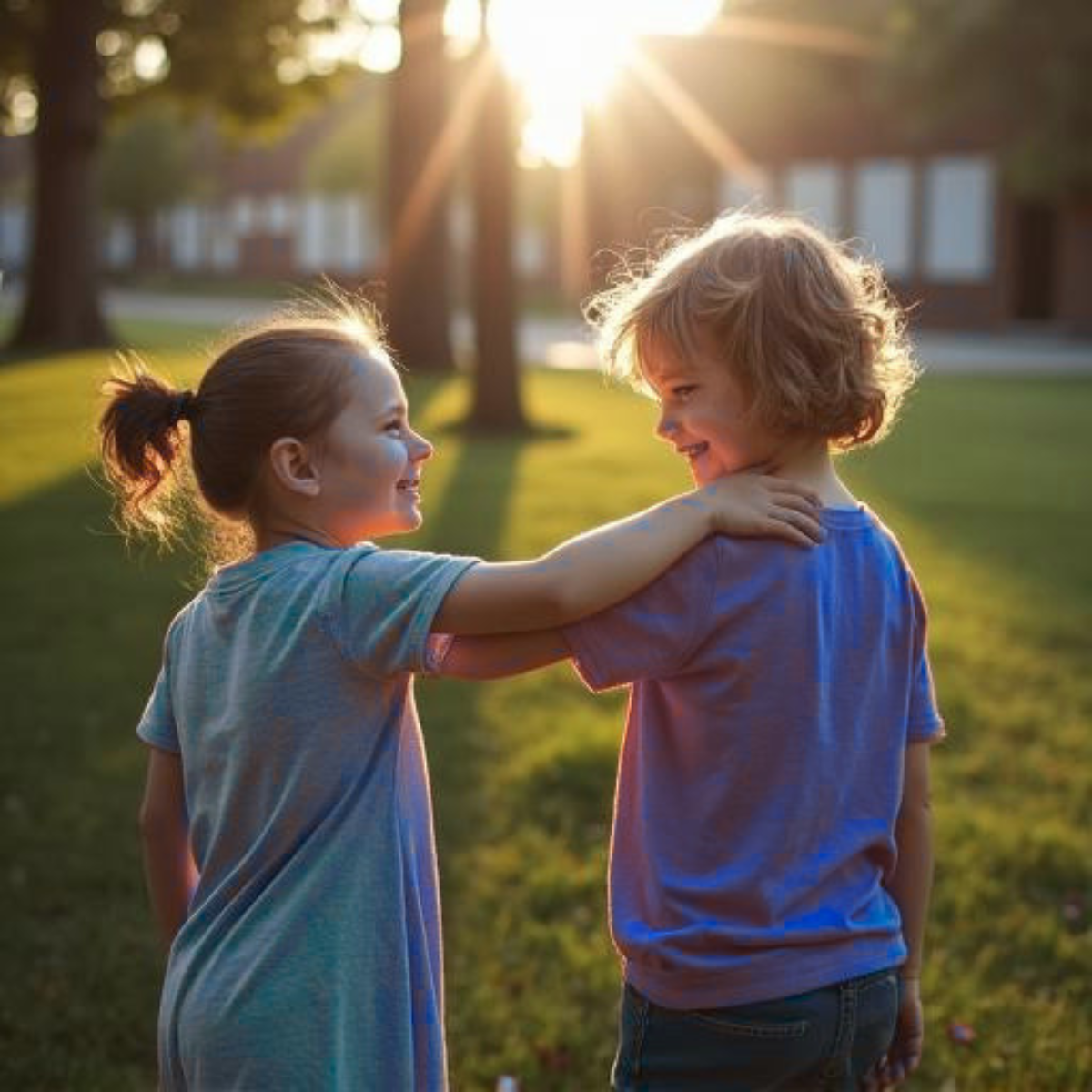
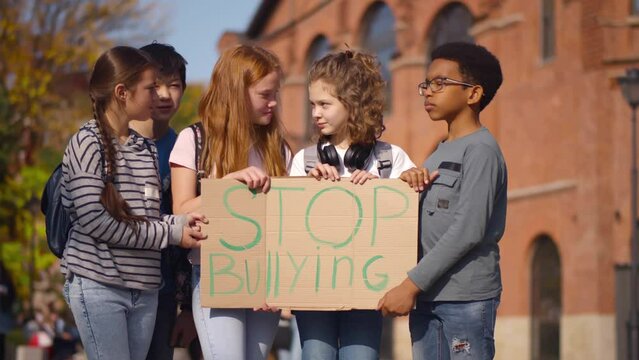
Courage does not mean confronting the bully in front of the whole playground. Sometimes courage is smaller than that. Sometimes it is sitting beside the child who sits alone. Walking with them between classes. Including them in the conversation. Telling a teacher what you saw. Sending a message that says: I see you. And you are not alone.
That one act, that one decision to fill the empty seat, can change the entire architecture of a child’s life. You will never know the full weight of what you prevented. But the child sitting in that seat will carry the gift of your courage for the rest of theirs.
“In the end, we will remember not the words of our enemies, but the silence of our friends.” — Martin Luther King Jr.
To the Parent Reading This at Midnight
You found the messages. Or you noticed the silence. Or your child came home from school and something in their eyes was different, dimmer, smaller, further away, and you felt the cold dread of knowing that something was happening and you didn’t know what.
Or perhaps your child is the one doing the bullying. And the school called. And you sat in a meeting feeling the floor fall away beneath you, wondering how the child you raised became the child in this story.
Either way, you are here. Reading this. Looking for something to hold onto. And I want to give you three things.
First: this is not your fault. Bullying is a cultural architecture. It is built by screens, by social hierarchies, by a thousand forces you cannot control. The fact that your child is caught inside it does not mean you failed. It means the system is broken. And you are the person who is going to help them navigate the wreckage.
Second: listen before you fix. When your child finally tells you, or when you finally ask and they finally answer, the most important thing you can do is not solve it. It is stay. Sit with them. Let them speak. Let them cry. Let the silence stretch if it needs to. Do not reach for solutions before you have held the weight of what they are telling you. They do not need a fixer right now. They need a witness.
Third: model what you want them to become. Your child is watching you. The way you speak about other people. The way you handle conflict. The way you treat the person who gets your order wrong. They are learning, every day, what character looks like in practice, not from your words, but from your life. If you want a kind child, be kind in front of them. If you want a brave child, be brave in front of them. If you want a child who stands up for others, let them see you stand up.
She will accept from others what she learned to accept from you.
That line is from an earlier essay in this library, What Your Daughter Deserves to See.
But it applies to every child, every parent, every home. The template you demonstrate is the template they carry. Make it something worth carrying.
To the Teacher Who Sees Everything
You see it. Every day. The dynamics that are invisible to parents and administrators, the glance across the room, the deliberate exclusion, the child whose light is getting dimmer by the week.
You are not powerless. You are the most important adult in many of these children’s lives. Not because of what you teach from the curriculum. Because of what you model between the lessons.
Every time you notice the child who sits alone and say their name, not to fix it, just to acknowledge them, you are planting a seed. Every time you create a space in your classroom where vulnerability is safe, where kindness is practised and not just preached, where character is discussed as openly as maths or English, you are building the architecture that the posters on the wall cannot.
You are tired. You are under-resourced. You are asked to do more with less, every year, and the weight of what you carry home is its own kind of invisible service.
I see you. And the work you do in those classrooms, the quiet, unglamorous, daily work of shaping human beings, is the most important work in the country. No qualification needed. No funding proposal required. Just a human being in a room with young people, choosing every day to demonstrate that kindness is not a slogan. It is a practice.
Planting what you won’t harvest — and tending what you didn’t plant.
That is Gratitude. And every teacher who has ever stayed late for a child who wasn’t theirs, noticed a wound that wasn’t visible, or simply said a name that nobody else was saying, you are living it.

The Blueprint That Is Missing
At Arete Estate, I teach six virtues. I have written about them in the context of manhood, fatherhood, sacrifice, service, and the life worth building.
But here is where they started: with children. With the belief that character is not something you hope a child catches. It is something you deliberately, carefully, patiently build into the architecture of who they are becoming.
Fortitude teaches a child to stand firm, not with fists, but with identity. The child who knows who they are cannot be dismantled by someone who doesn’t.
Temperance teaches a child to govern their power. The child who learns restraint does not need to dominate. They are already in control, of themselves.
Wisdom teaches a child to see clearly. To tell the difference between popularity and friendship. Between attention and respect. Between the performance of strength and the practice of it.
Love teaches a child to choose kindness when it costs them something. To sit with the child who sits alone. Not because someone told them to. Because they understand, in their bones, that love is a verb and it begins with the decision to see another person as fully human.
Courage teaches a child to speak. Even when their voice shakes. To say this is wrong in a room full of people who are pretending it is fine. To be the one who fills the empty seat.
Gratitude teaches a child to see what is already in front of them. The friend who is already there. The family who is already home. The life that is already extraordinary, even when the playground says otherwise.
Six virtues. Practised daily. Woven into the fabric of a child’s life so deeply that kindness stops being something they perform and starts being something they are.
That is the blueprint. It is what I built Wisdom & Wonder to deliver, a twenty-week character formation journey for young people, designed for schools, grounded in story and practice and the slow, beautiful work of becoming a whole person.
It is in its final stages of refinement, ready for release. Because the playgrounds cannot wait. And the children sitting in them deserve more than a poster.
If you are a parent, a teacher, or a school leader who wants to know more — I would love to hear from you. marcus@areteestate.com.au or @areteestate on Instagram.
I want to close by going back to the playground.
Picture it. The asphalt. The noise. The clusters of children who have found their people and the spaces between those clusters where the ones who haven’t found their people stand, waiting to be noticed or hoping to be invisible.
Now picture one child walking across that space. Not the loudest child. Not the most popular. Just a child who has been taught that the empty seat is an invitation, not a warning. A child who sits down beside the one who sits alone and says nothing heroic, nothing rehearsed, nothing from a poster. Just:
“Hey. Can I sit here?”
That is it. That is the whole thing. Four words that change the architecture of someone’s entire day. Four words that tell a child who has been slowly erased:
You are seen.
You are worth the seat.
You belong here.
That child, the one who crosses the playground, who fills the empty seat, who chooses connection over comfort, was not born brave. They were built brave. By parents who modelled it. By teachers who practised it. By a culture that decided character was not a poster on a wall but a practice in a life.
That is what I am building. That is what Arete Estate exists to create. Not a world without storms, the storms will come. But a world full of lighthouses. Children and adults who know how to stand firm, shine bright, and guide the lost ones home.
Excellence is not the absence of storms. Excellence is revealed by them.
The playground does not have to be empty. The seat does not have to stay unfilled. The silence does not have to be the loudest sound in the room.
We can build something better. We can build children who are kind not because they were told to be, but because they were shown what kindness looks like when it is practised every single day by the adults around them.
Be the lighthouse.
Fill the seat.
And speak, even if your voice shakes.
The Lighthouse Is Lit
This Friday, May 8, is Do It For Dolly Day. Go blue. Have the conversation. Say Dolly’s name. And then, on May 9 and every day after, keep going. Because the children in those playgrounds need more than one day. They need a culture. And culture is built by people who refuse to let the silence win.
Support Dolly’s Dream at https://dollysdream.org.au/ — because Dolly dreamed of a kinder world, and every dollar helps build it.
Dolly’s Dream Bullying Support Line: 13 DOLLY (13 36 559)
Lifeline: 13 11 14 | Kids Helpline: 1800 55 1800 | Beyond Blue: 1300 22 4636
The door is open. The seat is waiting. Come when you are ready.
Written by Marcus J Emsley, The Guide, at Arete Estate in the Barossa Valley. First published 2 May 2026.
Excellence revealed by storms.

Responses