
Love · An Easter meditation on giving without a ledger
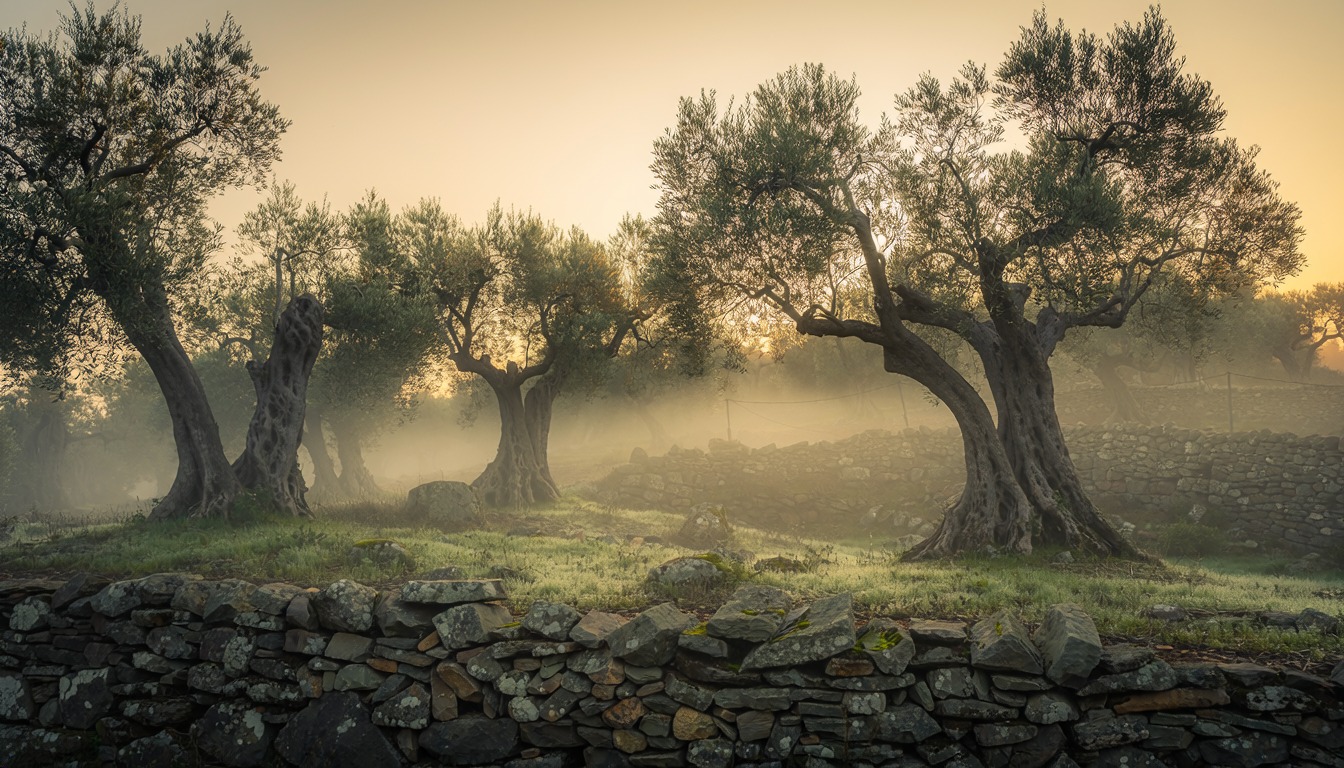
There is a moment, every Easter, when the world goes quiet.
Before the chocolate. Before the family table. Before the dresses and the roasts and the noise of a Sunday that has been wrapped in cellophane and sold back to us as a long weekend. Before any of that, there is a stillness. The kind that settles over the hours between Friday and Sunday, between the sacrifice and the rising, when nothing has been resolved and everything hangs in the balance.
That stillness is where I want to begin. Not in the celebration. Not in the triumph. In the quiet Saturday between the giving and the growing. The day when the seed is in the ground and no one knows yet what it will become.
Because that is where most of us live. Not at the resurrection. Not at the moment of glory. In the middle. In the waiting. In the space between the sacrifice we have made and the life we hope it will grow.
What Sacrifice Is Not
We have done something strange to the word sacrifice. We have turned it into a transaction.
The culture sells sacrifice as a strategy. Sacrifice your sleep. Sacrifice your weekends. Sacrifice your comfort. The implication is always the same: if you give something up, you will get something back. Something bigger. Something better. Something for you.
That is not sacrifice. That is investment.
There is nothing wrong with investment. But we need to stop calling it sacrifice, because the confusion is costing us something important. When we teach people, especially young people, that sacrifice means giving up now to get more later, we train them to see every act of giving as a transaction. Every generous impulse becomes a deposit in a ledger. Every kindness expects a return.
And when the return doesn’t come, when the giving costs you something real and nobody notices, nobody thanks you, nobody even knows, the whole framework collapses. Because it was never sacrifice. It was a deal. And the deal fell through.
Real sacrifice is something else entirely.
Real sacrifice is giving without a ledger. It is the decision to pour yourself into something, a person, a cause, a life, knowing that you may never see the fruit. Knowing that the cost is real, and permanent, and yours to carry. And choosing to give anyway.
Not because of what you will get back. Because of who you become in the giving.
The Story That Changed Time
You do not have to be a person of faith to recognise that the Easter story is the most powerful sacrifice narrative ever told.
Set aside, for a moment, what you believe about it. Set aside theology, doctrine, denomination. Look at the story the way you would look at any great story, as a piece of truth wrapped in narrative, carrying something universal inside it.
A man gives his life. Not in battle. Not in a blaze of glory. In quiet, deliberate, chosen surrender. He knows what is coming. He asks for it to be taken from him. It is not taken. And he walks toward it anyway.
He does not fight back. He does not negotiate. He does not perform strength for the audience. He gives, completely, finally, without reservation, and in doing so, he changes the story for everyone who comes after him.
Whether you read that as divine truth or human metaphor, the teaching is the same:
The deepest sacrifice is the one that gives without guarantee.
No contract. No ledger. No assurance that the giving will be seen, or honoured, or returned. Just the act itself. Just the choice to pour your life into something bigger than your life, trusting that the pouring is the point.
That is why the Easter story has endured for two thousand years. Not because of the resurrection alone, but because of the Friday that preceded it. The day when a man chose to give everything, knowing that the giving might cost him everything, and chose it anyway.
The Saturday, the silence between the sacrifice and the rising, is where the teaching lives. The hours when nothing has been vindicated. When the cost is real and the reward is invisible. When the only thing left is the character of the one who gave.
“Greater love has no one than this: to lay down one’s life for one’s friends.” (John 15:13)
You do not need to believe in the divinity of the man who said those words to feel their truth. You only need to have loved someone enough to know what it means to lay something down for them. Your comfort. Your pride. Your time. Your certainty. Your self.
The Invisible Givers
I spent seventeen years sitting across from people on their worst days.
As a welfare officer in the Australian Defence Force, my job was to be present when everything fell apart. Not to fix it, most of the time, you can’t fix it. But to stay. To sit in the wreckage with another human being and hold the silence until they were ready to speak.
There are no medals for that work. No campaign ribbons. No ceremonies. It is invisible sacrifice, the kind that happens behind closed doors, in conversations no one will ever hear about, on days that will never be recorded.
And I learned something in those years that I carry with me every day:
The people who sacrifice the most are almost always the ones who are seen the least.
The nurse who holds a stranger’s hand at three in the morning. The teacher who stays late, not because the school asks her to, but because a boy in the back row hasn’t spoken in weeks and she’s the only one who’s noticed. The father who drives to work before dawn and comes home after dark and never once calls it sacrifice because he doesn’t think of it that way. He just calls it Tuesday.
The mother who puts herself last so consistently that she’s forgotten she was ever first. The friend who listens without fixing. The partner who stays when leaving would be easier.
These are the invisible givers. The ones who pour themselves out, day after day, without a ledger, without a return, without anyone ever saying: I see what you are doing, and it matters.
I see you. And it matters.
A Man Who Never Called It Sacrifice
My father-in-law, Sean, was one of these people.
He was the man who handed me a beaten-up copy of Ikigai, whose kintsugi piece I found after he died, who lived for the benefit of others every single day without once treating it as extraordinary.
And this belongs in this essay:
Sean never called it sacrifice.
He never framed his generosity as a cost. He never tallied what he gave. He never once, in all the time I knew him, said look what I’ve given up for you. He just gave. The way a tree gives shade. Not as a decision each morning, but as a condition of being alive.

That is the character of sacrifice. Not the dramatic, visible, applauded kind. The quiet kind. The kind that becomes so woven into the fabric of a person’s life that it stops being a choice and starts being a character trait. It stops being something you do and becomes something you are.
Sean was generous the way a river is wet. Not as an achievement. As a condition.
And when I think about Easter, about what the story actually asks of us, beneath the theology and the tradition and the chocolate, I think about Sean. A man who laid down his life in small, daily, invisible increments. Not on a cross. At a kitchen table. In a driveway. On the other end of a phone call at midnight.
That is sacrifice. And it is available to every single one of us, every single day.
The Six Acts of Giving
Every virtue I teach at Arete Estate is, at its root, an act of sacrifice. Not sacrifice as grinding. Sacrifice as giving.
Each one asks you to lay something down, not so you can get something back, but so you can become someone whole.
Fortitude asks you to sacrifice comfort. To stand firm when every part of you wants to run. Not for applause. Because the people behind you need someone who will not move.
Temperance asks you to sacrifice excess. To say enough in a world that never stops whispering more. To govern yourself so that your life becomes an instrument of harmony, not chaos.
Wisdom asks you to sacrifice certainty. To acknowledge the mud alongside the gold. To sit with what you do not know and resist the seduction of easy answers.
Love asks you to sacrifice control. To stay open when closing down would be safer. To choose another person, day after day, knowing that the choosing will cost you something real every time.
Courage asks you to sacrifice safety. To begin anyway, even when fear is telling you exactly how high the stakes are. Not because you are fearless, but because you refuse to let fear write the ending.
Gratitude asks the deepest sacrifice of all. It asks you to give without seeing. To plant what you will not harvest. To tend what you did not plant. To trust that the garden will grow on a timeline you do not control.
Six virtues. Six acts of giving. Six ways to lay down the small, daily, invisible parts of yourself so that something larger can grow.
That is the character of sacrifice. Not one dramatic moment. A lifetime of small ones.
The Saturday
I want to speak to everyone who is living in the Saturday right now.
The space between the giving and the growing. The hours after the sacrifice has been made and before anything has risen from it.
You are the parent who has poured everything into your children and cannot yet see who they are becoming. You are the teacher whose best work happens in rooms that will never be observed. You are the founder building something beautiful that the world hasn’t noticed yet. You are the friend who held someone together last month and hasn’t heard from them since.
You gave. And the silence that followed felt like proof that the giving didn’t matter.
It mattered.
The seed does not know it is becoming a tree. The Friday does not know that Sunday is coming. The sacrifice does not know, cannot know, in the moment of giving, what it will grow.
But this is what I have learned, in seventeen years of sitting with people on their worst days, and in every day since:
What you give away is what saves you.
Not what you accumulate. Not what you build. Not what you perform. What you give. Freely, without a ledger, without a guarantee, without needing to know if anyone is watching.
That is the lesson of Easter. Not just for the faithful. For everyone.
The sacrifice matters. The giving matters. The invisible, uncounted, unreturned pouring out of yourself into another person’s life, that is not wasted. It is the most important thing you will ever do.
Every Easter, whether you spend it in a church or at a kitchen table or on a quiet walk with no one but your thoughts, I want to leave you with this:
“The greatest thing you’ll ever learn is just to love and be loved in return.” (Eden Ahbez, “Nature Boy”)
To love is to sacrifice. Not the grinding kind. The giving kind. The kind that asks nothing in return because the giving itself is the return.
You do not need to die on a cross to live the character of sacrifice. You just need to keep showing up. Keep giving. Keep planting in soil you may never see bloom.
The Saturday is not the end of the story. It is the middle. And the middle is where character is formed, in the silence, in the waiting, in the faithful, stubborn, beautiful refusal to stop giving just because no one has clapped.
Sunday comes. It always has.
And so, I believe, will yours.
About the author
Marcus J Emsley · The Guide
Marcus spent seventeen years as a welfare officer in the Royal Australian Air Force, at home and on operations overseas, sitting with people in grief, trauma and the mornings they did not want to rise. He is the founder of Arete Estate in the Barossa Valley, South Australia, the creator of The Sculptor's Journey and Wisdom & Wonder, and the author of the debut novel Wisdom & Wine. He is the son of a primary school teacher who coached footy, cricket and life, and a palliative care nurse who showed him what kindness at the hardest door looks like. He has stood in the dark himself, and he writes from the far side of it.
What we are building at Arete Estate
Arete is excellence becoming. It is the highest expression of who you were always meant to be, not the finished version, but the version that keeps reaching. It is not built. It is revealed.
Arete Estate exists to help people reveal, not construct, the highest version of themselves. We do this through six virtues drawn from the world's wisdom traditions, taught through stories, walked through daily practice, and offered to anyone who is ready to begin: the parent raising a child, the leader carrying a team, the soldier returning from service, the school shaping the next generation, the person sitting alone in the early hours of the morning wondering if there is a path through.
Our work is to make that path visible. To stand as a lighthouse for the seekers, the grieving, and the broken. To remind every person we reach that excellence is not built, it is revealed by storms, and that they are not alone in the storm.
We do not chase. We shine. The Sculptor's Journey (The Doorway, The Walked Path, The Guided Path), An Hour with the Guide, Meditate with Arete, Wisdom & Wonder and The Sculptor's Library are the rooms of that house.
Six virtues. One journey. Your highest self.
www.areteestate.com.au · info@areteestate.com.au · Instagram @areteestate
If this essay touched something raw
Some of what is written here is heavy. If it has stirred something you are carrying, please do not carry it alone tonight.
Lifeline 13 11 14 · Open Arms (veterans and families) 1800 011 046 · 1800RESPECT 1800 737 732 · Kids Helpline 1800 55 1800 · In an emergency, call 000.
Reaching out is not weakness. It is all six virtues at once: the Fortitude to stay, the Wisdom to know you need a hand, the Love to let someone in, the Courage to ask, the Temperance to set the weight down, and the Gratitude for the one who answers.

Responses