Wisdom · How do we raise children who don’t just know what’s right, but do it when no one’s watching?
Recently I wrote an essay called “The Difference Between Values and Virtues”. It sits in this Library beside this one.
The response surprised me. Not just the number of people who read it, but the depth of what they shared back. Message after message from people saying: I’ve never had language for this before. This is the gap I’ve been feeling.
But one theme kept appearing more than any other. Parents. Teachers. Grandparents. Caregivers. They weren’t just asking about their own lives. They were asking about the children in their care.
“How do I teach this to my kids?”
“I tell my students to be brave, be kind, be honest, but it doesn’t seem to stick. What am I missing?”
“I want to pass something real to my grandchildren. Not just words. Something they can actually carry.”
This essay is for them. For you, if you’re raising or shaping young people and wondering how to give them something that lasts.
The Gap We All Feel
A scene most parents know. You’re in the car after school. Your child tells you about a classmate who was being unkind. You say: “Well, you should be kind to everyone, even when they’re not kind to you.”
Your child nods. Maybe they even agree.
But the next day, the same situation comes, and they freeze. Or react. Or you said. Not because they weren’t listening. Not because they don’t value kindness. But because values don’t work like that.
You can’t download courage into a child. You can’t install patience. You can’t lecture generosity into existence and expect it to show up when the pressure is real and you’re not there to remind them.
We’ve all felt this gap. The distance between what we tell children to be and who they actually become in the moments that matter.
It’s not a failure of our children. It’s a failure of our method. We’ve been teaching values when we should have been building virtues.
The Distinction
A quick reminder. A value is something you believe is important. It lives in your head. You can hold it, declare it, write it on a poster in your classroom. A virtue is something you’ve become through practice. It lives in your hands, your habits, your instinctive response when there’s no time to think.
Values are chosen. Virtues are built.
Aristotle understood this thousands of years ago: we become brave by doing brave things. We become kind by practising kindness. We become patient by enduring, again and again, until these things become part of who we are.
Children don’t need more values explained to them. They need virtues practised with them. Repeatedly. In small moments. Over years. That’s how character is formed. Not in a single conversation, but in a thousand tiny reps.
What Children Are Actually Learning
Children don’t learn values from what we say. They learn virtues from what we do.
They’re watching when you’re tired and still choose patience. They’re watching when you admit you were wrong. They’re watching when you keep a promise that’s become inconvenient. They’re watching when you’re afraid and do the thing anyway.
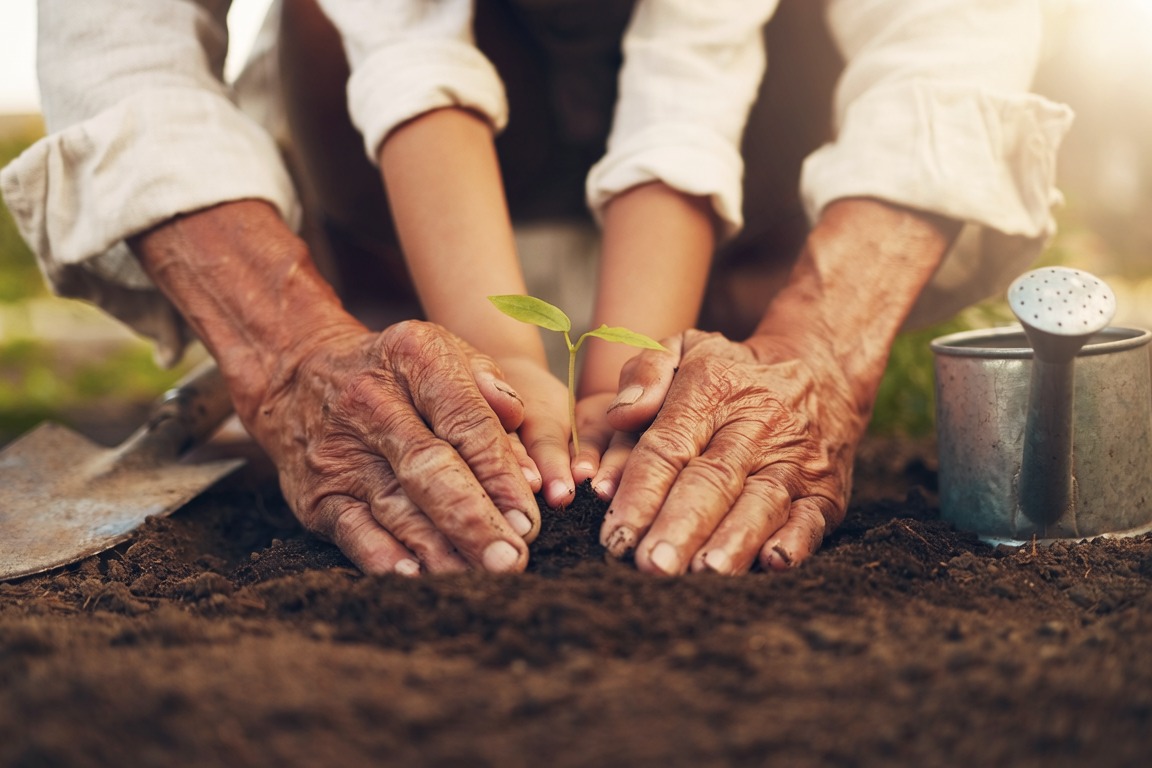
Every time you practise a virtue in front of them, you’re giving them something no lecture ever could: proof that it’s possible. And every time you practise with them, letting them try, letting them fail, letting them try again, you’re helping them build something in themselves that will outlast your voice in their head.
This is the gift. Not perfection. Not getting it right every time. But showing up, again and again, doing the reps alongside them.
What This Looks Like in Practice
So what does virtue-building actually look like with children? It’s simpler than you might think, and slower. It’s not a curriculum. It’s a way of living.
You don’t tell them to be brave. You notice when they do something small and scary, raising their hand, trying something new, admitting they don’t know, and you name it. “That was brave.” Then you find another small opportunity tomorrow.
You don’t lecture about waiting nicely. You wait with them. In the grocery line. For the thing they want that isn’t ready yet. And you narrate the practice: “This is hard. We’re doing it anyway. That’s patience.”
You don’t just tell them to be kind. You look for opportunities to practise kindness together: writing a note, helping a neighbour, noticing someone who’s left out. Kindness as a verb, not a value on a wall.
And you don’t punish them for lying and expect honesty to grow. You make telling the truth safe. You model it yourself, even when it’s uncomfortable. You say, “Thank you for telling me the truth. That was hard and you did it anyway.”
Small moments. Repeated often. Over years. That’s the secret. That’s all it is.
The Inheritance
In my novel Wisdom & Wine, an elderly grandfather named Donald has one afternoon to pass his life’s wisdom to his granddaughter Sophia. He tells her six stories, each one a virtue he lived, not just believed in.
He tells her about her great-great-great-grandfather Sean, who walked 900 kilometres to the Australian goldfields and practised wisdom every night by firelight, writing down the good things and burning the bad. A practice so powerful it was passed down through five generations.
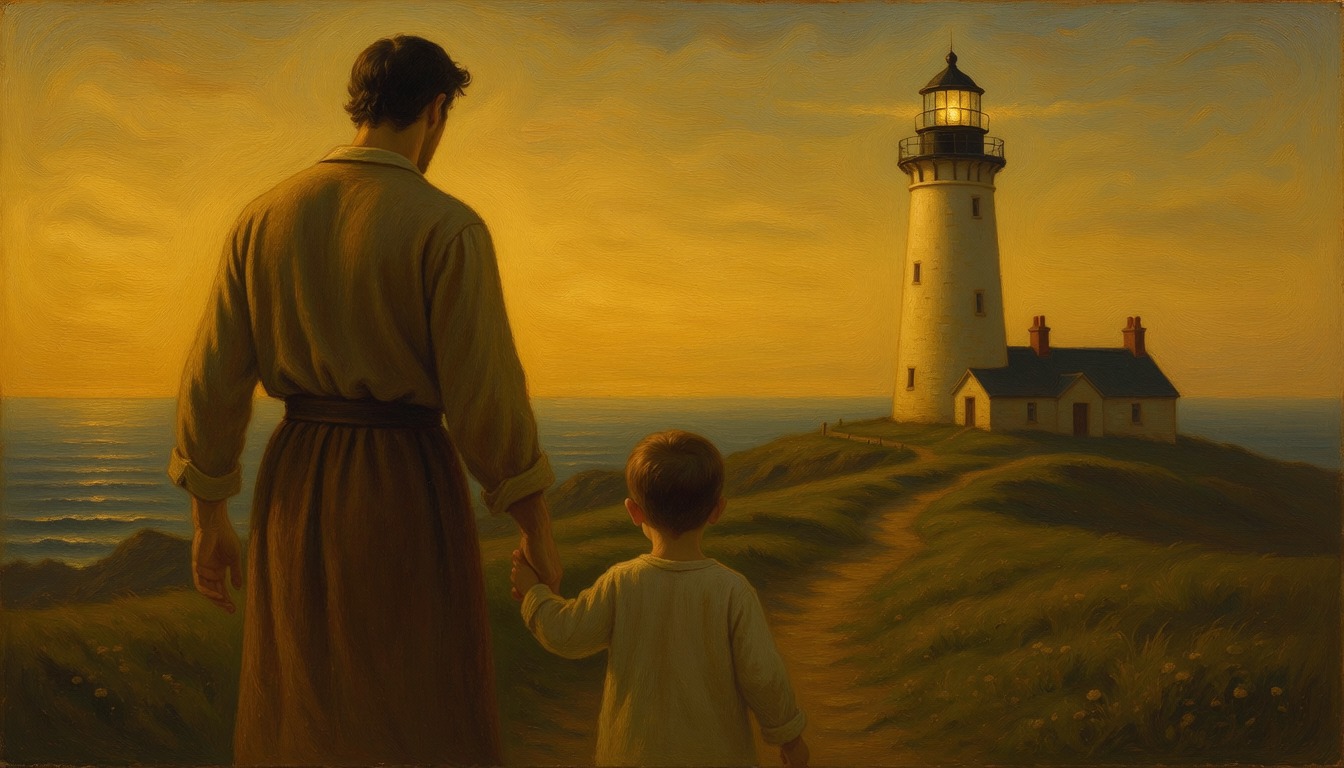
He tells her about his own father, a man who came home from war carrying more than he could say, teaching him to be the lighthouse in a storm. Not explaining the concept. Being it. Standing firm so many times that young Donald could see what fortitude looked like in a real human life.
Donald doesn’t hand Sophia a list of values to memorise. He hands her proof. Stories of virtues practised across a lifetime, across generations. And that’s what she inherits. Not words. Lived wisdom.
This is what’s available to all of us. Not perfection, but practice. Not lectures, but legacy.
For Teachers: A Note
If you’re reading this as a teacher, you might be thinking: I have thirty children and forty-five minutes. How do I build virtues?
I understand. The system isn’t designed for this. But you don’t need a separate “character education” block. You need eyes to see the moments that are already happening.
The child who waits their turn when it’s hard. The one who includes someone left out. The one who tries again after failing publicly. The one who tells the truth when lying would be easier.
Name it. That’s all. Just name it.
“I saw what you did there. That was courage.”
“That was kindness. Did you see how their face changed?”
“You kept going even though it was frustrating. That’s what perseverance looks like.”
Children rise to the language we give them. When we name virtues, when we catch them practising, we’re reinforcing the reps. We’re helping them see themselves as the kind of person who does brave things, kind things, patient things.
And over a year of small moments named, something shifts. Not because you taught it. Because they lived it, and you helped them see.
The Lighthouse Still Shines
You can’t control the storms your children will face. You can’t be there for every hard moment, every temptation, every choice they’ll make when no one’s watching. You can’t install values like software and expect them to run perfectly when you’re gone.
But you can do something better.
You can practise virtues in front of them. You can practise with them. You can help them build something in themselves, through repetition, through small moments, through a thousand unremarkable reps, that becomes part of who they are.
You can be the lighthouse. Not by telling them what to believe. But by standing firm, again and again, and letting them watch. By shining, and trusting that they see.
That’s the inheritance. That’s what lasts. Not values on a wall. Virtues in a life.
What virtues are you practising in front of the children who are watching?
About the author
Marcus J Emsley · The Guide
Marcus spent seventeen years as a welfare officer in the Royal Australian Air Force, at home and on operations overseas, sitting with people in grief, trauma and the mornings they did not want to rise. He is the founder of Arete Estate in the Barossa Valley, South Australia, the creator of The Sculptor's Journey and Wisdom & Wonder, and the author of the debut novel Wisdom & Wine. He is the son of a primary school teacher who coached footy, cricket and life, and a palliative care nurse who showed him what kindness at the hardest door looks like. He has stood in the dark himself, and he writes from the far side of it.
What we are building at Arete Estate
Arete is excellence becoming. It is the highest expression of who you were always meant to be, not the finished version, but the version that keeps reaching. It is not built. It is revealed.
Arete Estate exists to help people reveal, not construct, the highest version of themselves. We do this through six virtues drawn from the world's wisdom traditions, taught through stories, walked through daily practice, and offered to anyone who is ready to begin: the parent raising a child, the leader carrying a team, the soldier returning from service, the school shaping the next generation, the person sitting alone in the early hours of the morning wondering if there is a path through.
Our work is to make that path visible. To stand as a lighthouse for the seekers, the grieving, and the broken. To remind every person we reach that excellence is not built, it is revealed by storms, and that they are not alone in the storm.
We do not chase. We shine. The Sculptor's Journey (The Doorway, The Walked Path, The Guided Path), An Hour with the Guide, Meditate with Arete, Wisdom & Wonder and The Sculptor's Library are the rooms of that house.
Six virtues. One journey. Your highest self.
www.areteestate.com.au · info@areteestate.com.au · Instagram @areteestate
If this essay touched something raw
Some of what is written here is heavy. If it has stirred something you are carrying, please do not carry it alone tonight.
Lifeline 13 11 14 · Open Arms (veterans and families) 1800 011 046 · 1800RESPECT 1800 737 732 · Kids Helpline 1800 55 1800 · In an emergency, call 000.
Reaching out is not weakness. It is all six virtues at once: the Fortitude to stay, the Wisdom to know you need a hand, the Love to let someone in, the Courage to ask, the Temperance to set the weight down, and the Gratitude for the one who answers.

Responses