
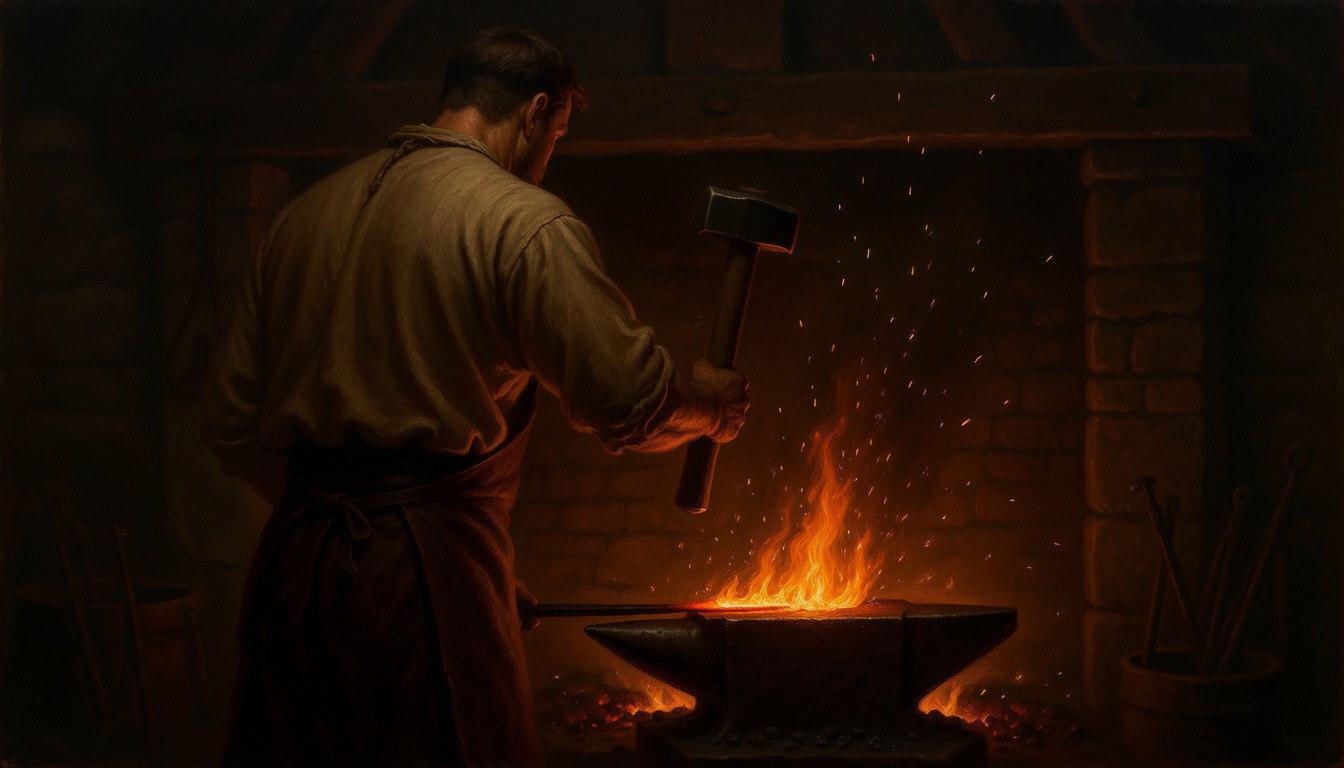
Wisdom · Hold on one more hour. The fire may be forging, not destroying.
For seventeen years, I was the man in the room where people brought their worst days.
I served in the Australian Defence Force as a welfare specialist, which is a clinical way of saying I sat in a chair, day after day, year after year, and held space while other people’s lives fell apart.
I listened to soldiers, sailors and aviators describe things no human being should have to carry. I sat with families as they received the news that reshapes everything. I held the silence after the words ran out, and I absorbed what poured into that silence, because that was the job. To be the container. To be steady. To be the person in the room who doesn’t flinch, so that the person across from you has permission to break.
I was good at it.
I was steady. I was present. I showed up. Every morning I walked into that office and I became the thing other people needed me to be: the calm voice, the unhurried presence, the person who could sit with grief and not look away. I carried their stories home in my body, and I came back the next day and did it again. And the day after that. For seventeen years.
What nobody tells you about being that person is what it costs.
Because the stories don’t leave when the people do. They accumulate. Layer by layer, like sediment, until the weight of what you’re carrying starts to press on something structural. Something load-bearing. And one day you realise, not gradually, not gently, but with the sudden sick certainty of a floor giving way, that the person who held space for everyone else has no space left for themselves.
That the lighthouse has been shining so long it’s forgotten it also needs tending.
That you have spent so many years absorbing other people’s darkness that the darkness has become yours.
Depression. Anxiety. PTSD.
Those are the clinical words. The lived experience is simpler and worse.
There were nights, more than I can count, more than I want to remember, when the only thing between me and the end of my story was a single thought I couldn’t quite let go of.
That maybe the fire wasn’t trying to destroy me. Maybe it was trying to forge something.
And if I could hold on, one more hour, one more morning, one more decision to stay, I might live long enough to find out what.
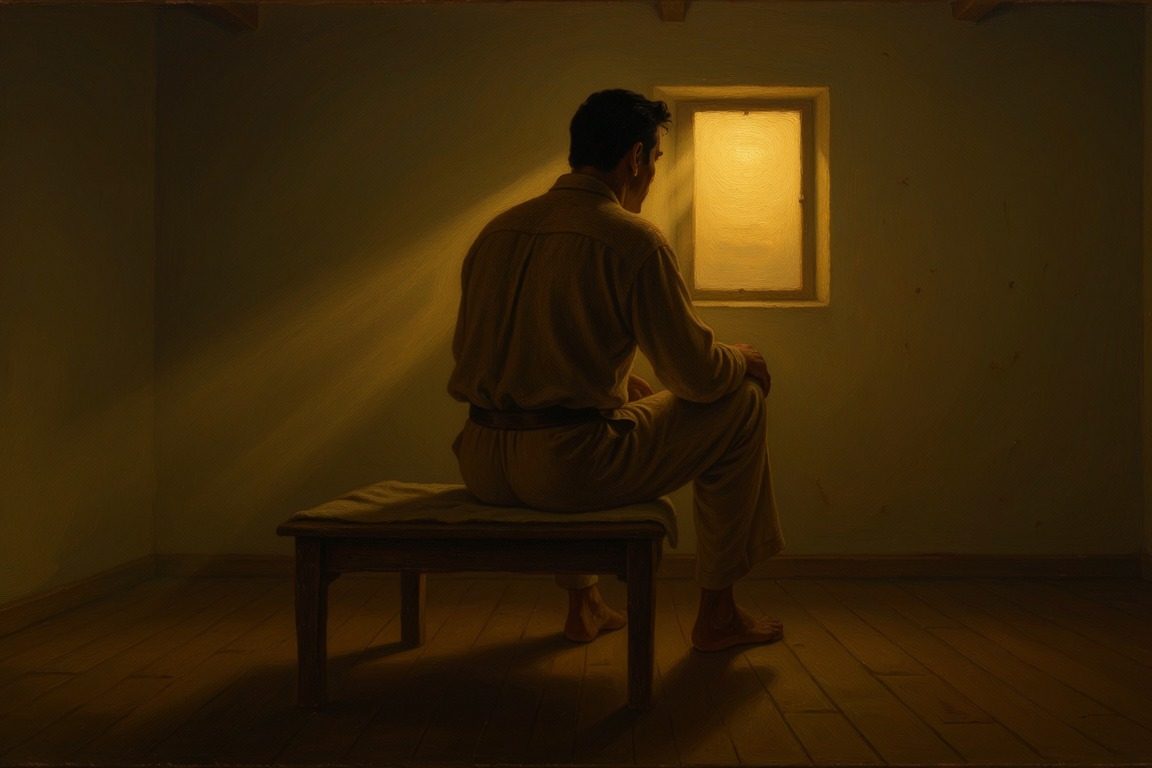
I held on.
This is what the fire made.
During the worst of it, and after, in the long, slow, unglamorous work of rebuilding, I started writing. Not therapy. Not journaling, though I did that too. Something else. A story that had been forming in me for years, built from everything I’d witnessed in that chair, everything I’d absorbed, everything I’d learned about what happens to a human being when the worst thing happens and they have to decide whether to close down or stay open.
The story became a novel called Wisdom & Wine.
It’s the story of Donald Jack Raggatt: a soldier, a husband, a man who loved one woman for forty-six years and then lost her. It’s set across two countries and bends time itself, because grief doesn’t move in straight lines and neither does wisdom. It walks alongside the Twelve Labours of Heracles, not the children’s version, but the real one. The one about a man who was destroyed by guilt and grief and had to fight his way back to something worth living for.
It’s about a Gardener who appears when you need him most. About pressed lavender from a dead woman’s garden. About a bottle of wine that takes thirty-eight years to open. About a granddaughter who inherits not wealth, not property, but six virtues forged in fire across three generations.
It’s about what remains when everything else is stripped away.
The ancient Greeks had a word for that: arete. The full realisation of what a human being is meant to be. Not perfection. Not achievement. The thing you become when life has broken you open and you discover that what’s inside is not emptiness but light.
I didn’t find arete in a classroom. I found it on the floor at 3am. I found it in the soldiers who sat in my chair and showed me what courage actually looks like: not the medals-and-glory kind, but the getting-up-tomorrow kind. I found it in my wife, who built beside me when the building felt impossible. I found it in the Barossa Valley, in the land itself, which teaches you about seasons and patience and the fact that dormancy is not the same as death.
And I put all of it into a book. Every story. Every lesson. Every scar. Every piece of gold I panned from the mud of those seventeen years.
Wisdom & Wine is not a self-help book dressed as a novel. It’s a novel that happens to contain the things I needed to hear in order to survive, woven into a story I hope is beautiful enough to make you forget you’re being changed by it.
It’s the book I wish someone had put in my hands during the worst nights. The one that says: I know what you’re carrying. I know what it’s costing you. And I know, not from theory, but from the floor at 3am, that the fire is making something. Even when it feels like it’s only destroying.
If you’re in that darkness right now, if the fire feels like it’s consuming rather than forging, I need you to hear me. Not as an author. Not as a brand. As a man who spent seventeen years holding other people’s pain and nearly drowned in it, and who is standing here today because he held on.
You are not alone. I am here.
And you are still growing.
Be brave.
About the author
Marcus J Emsley · The Guide
Marcus spent seventeen years as a welfare officer in the Royal Australian Air Force, at home and on operations overseas, sitting with people in grief, trauma and the mornings they did not want to rise. He is the founder of Arete Estate in the Barossa Valley, South Australia, the creator of The Sculptor's Journey and Wisdom & Wonder, and the author of the debut novel Wisdom & Wine. He is the son of a primary school teacher who coached footy, cricket and life, and a palliative care nurse who showed him what kindness at the hardest door looks like. He has stood in the dark himself, and he writes from the far side of it.
What we are building at Arete Estate
Arete is excellence becoming. It is the highest expression of who you were always meant to be, not the finished version, but the version that keeps reaching. It is not built. It is revealed.
Arete Estate exists to help people reveal, not construct, the highest version of themselves. We do this through six virtues drawn from the world's wisdom traditions, taught through stories, walked through daily practice, and offered to anyone who is ready to begin: the parent raising a child, the leader carrying a team, the soldier returning from service, the school shaping the next generation, the person sitting alone in the early hours of the morning wondering if there is a path through.
Our work is to make that path visible. To stand as a lighthouse for the seekers, the grieving, and the broken. To remind every person we reach that excellence is not built, it is revealed by storms, and that they are not alone in the storm.
We do not chase. We shine. The Sculptor's Journey (The Doorway, The Walked Path, The Guided Path), An Hour with the Guide, Meditate with Arete, Wisdom & Wonder and The Sculptor's Library are the rooms of that house.
Six virtues. One journey. Your highest self.
www.areteestate.com.au · info@areteestate.com.au · Instagram @areteestate
If this essay touched something raw
Some of what is written here is heavy. If it has stirred something you are carrying, please do not carry it alone tonight.
Lifeline 13 11 14 · Open Arms (veterans and families) 1800 011 046 · 1800RESPECT 1800 737 732 · Kids Helpline 1800 55 1800 · In an emergency, call 000.
Reaching out is not weakness. It is all six virtues at once: the Fortitude to stay, the Wisdom to know you need a hand, the Love to let someone in, the Courage to ask, the Temperance to set the weight down, and the Gratitude for the one who answers.

Responses